How we spent three days in Rome
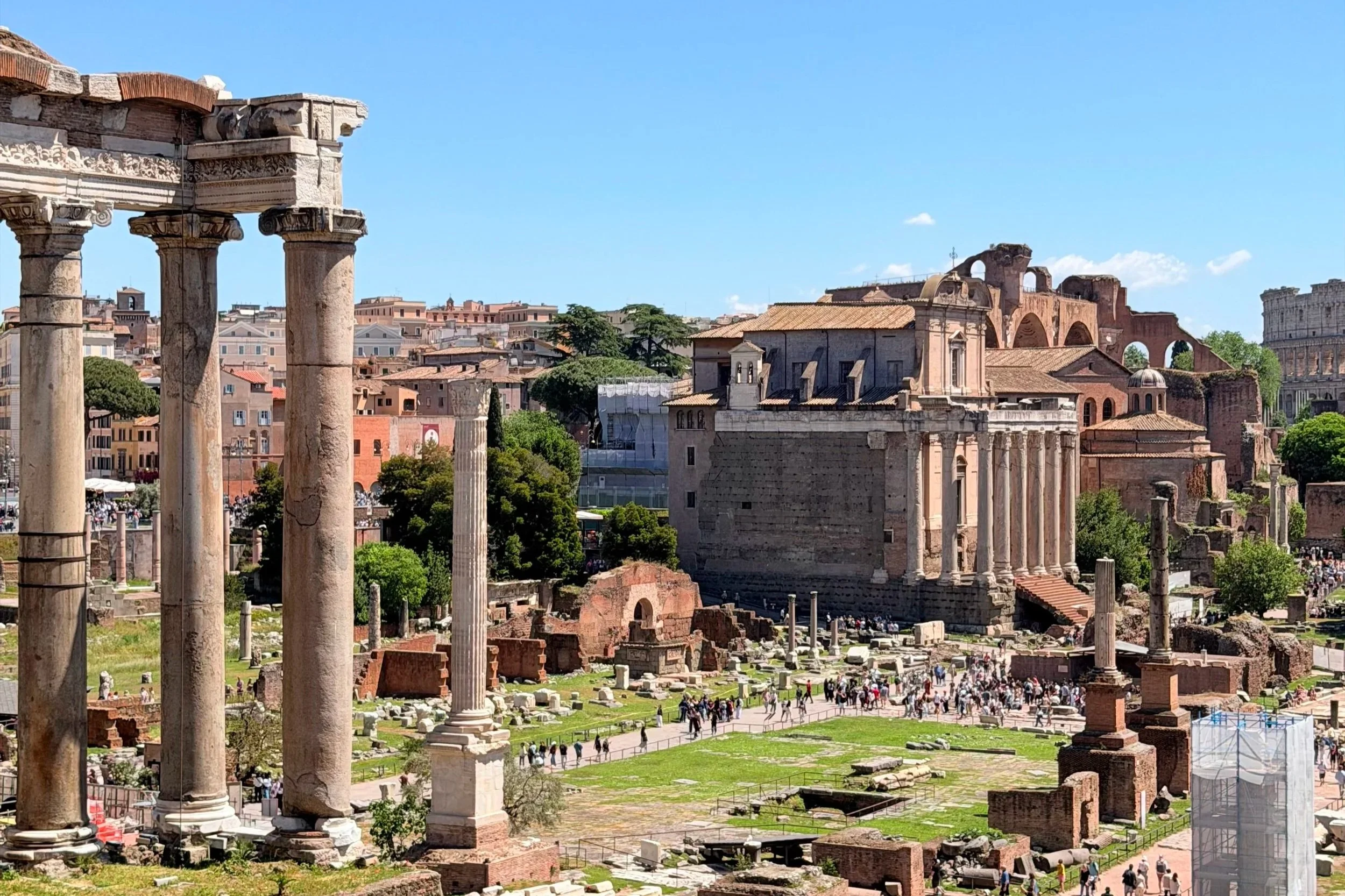
Rome, the capital of Italy and one of the oldest and most famous historic centres in the world, is the perfect city for a weekend break. I had visited before about 15 years ago, but this time I feel like I got a much fuller experience of the city.
We spent three days in Rome, staying in a central neighbourhood not far from the Colosseum and exploring all the main sights plus a few more hidden gems. In this blog, I’ll explain the best things to do in Rome, where to eat and drink in Rome, where to stay for a weekend in Rome, and some of the other key information that should help you plan your own visit to this incredible city.
Here is what you need to know about planning a weekend in Rome.
How to get to Rome
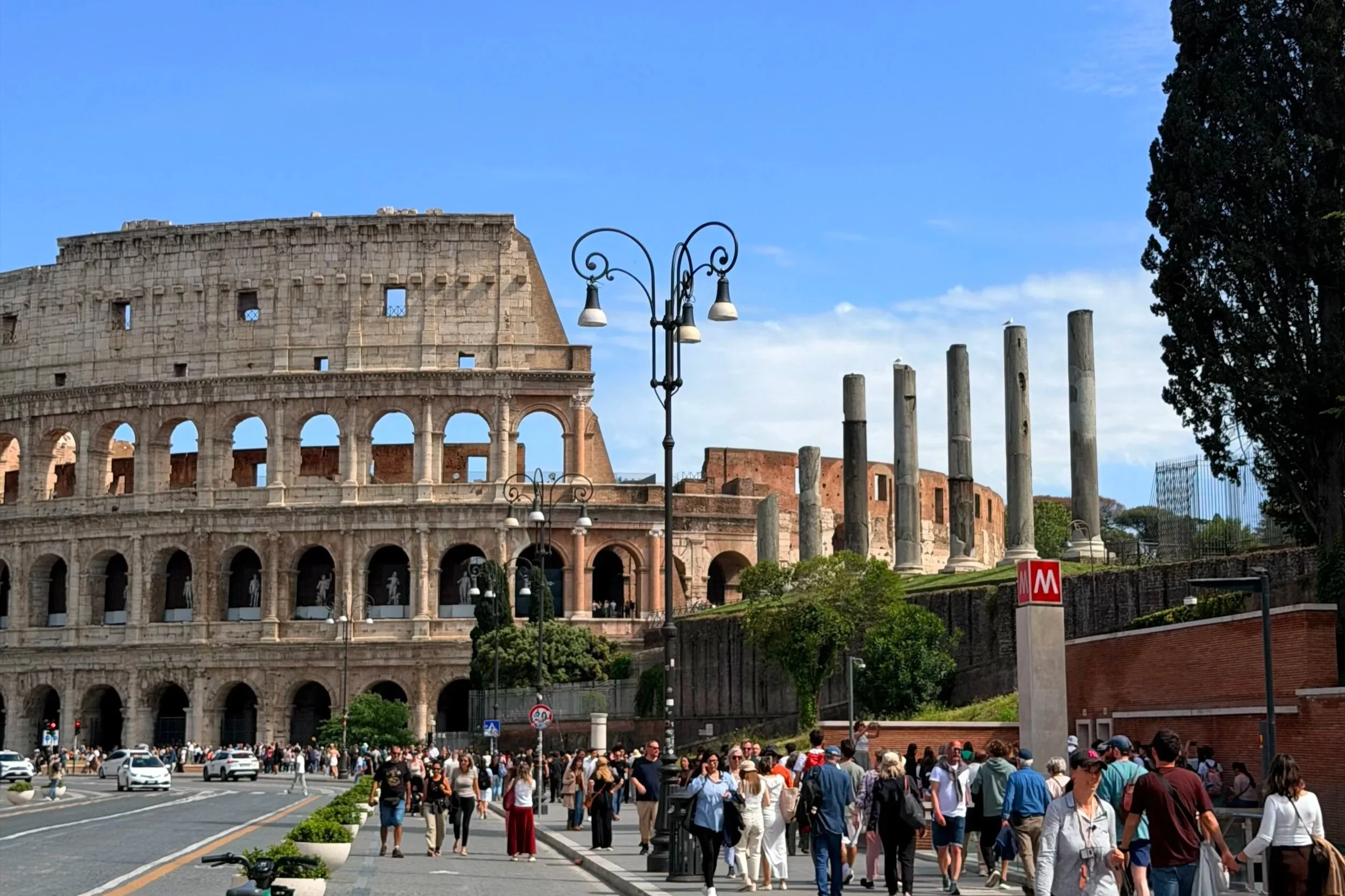
As the capital of Italy, Rome is easy to fly to from most European airports. From London, it takes around two hours and tickets start at about £30 (or less, if you’re lucky!)
You can also get to Rome by coach or by train if you’re already on the European mainland, and it is part of the Interrailing circuit.
What are the best things to do in Rome
Rome is famous for its long and impressive history, so many of the most popular things to do in the city are focused on that. But it is also a very modern and vibrant city with plenty of more current things to see and do if history isn’t your thing.
These were our favourite things to do in Rome:
Visit the Colosseum
Wander around the Roman Forum
Explore Palatine Hill
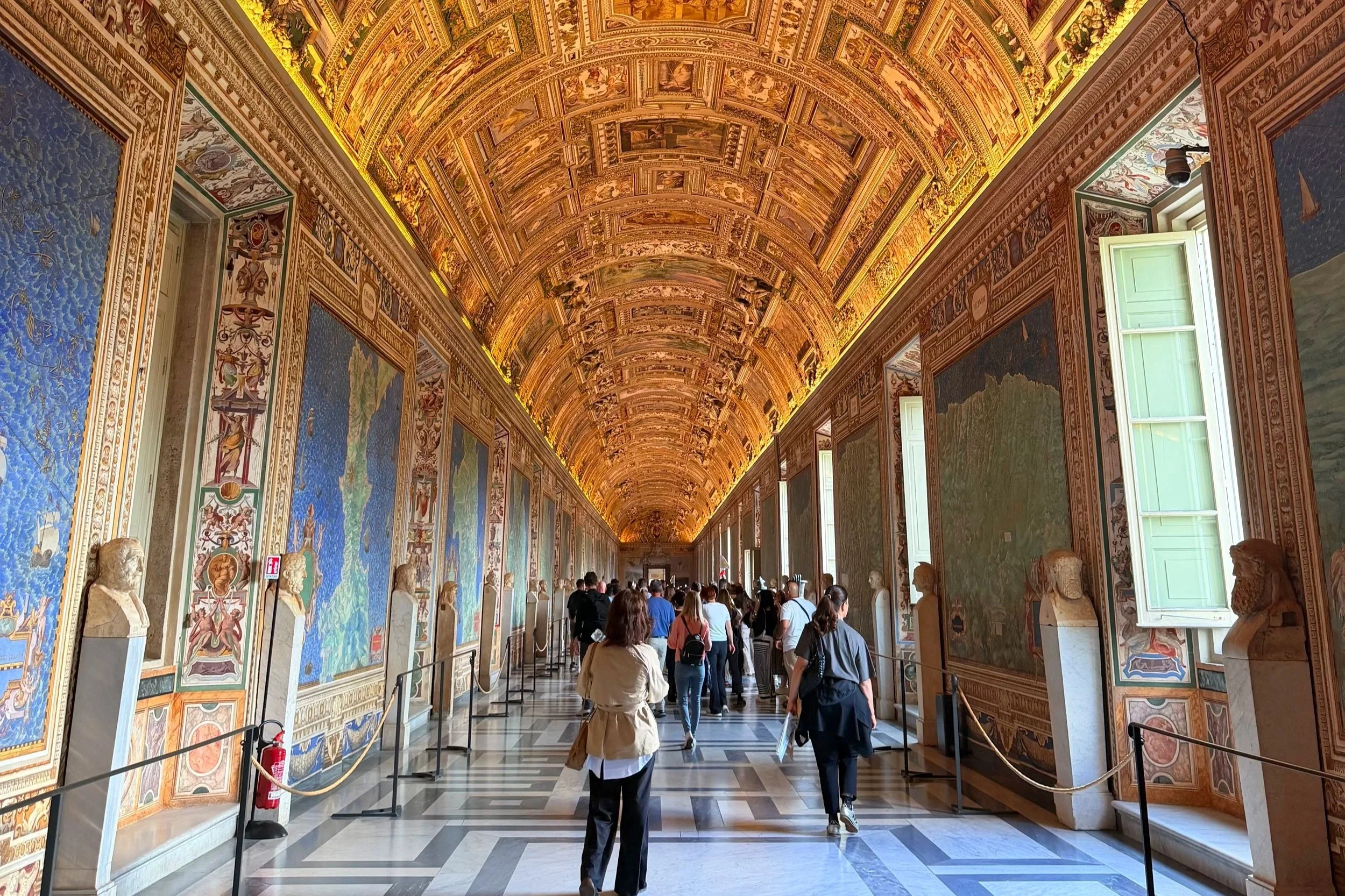
Walk through the Vatican Museums and Sistine Chapel
See Basilica de San Pietro
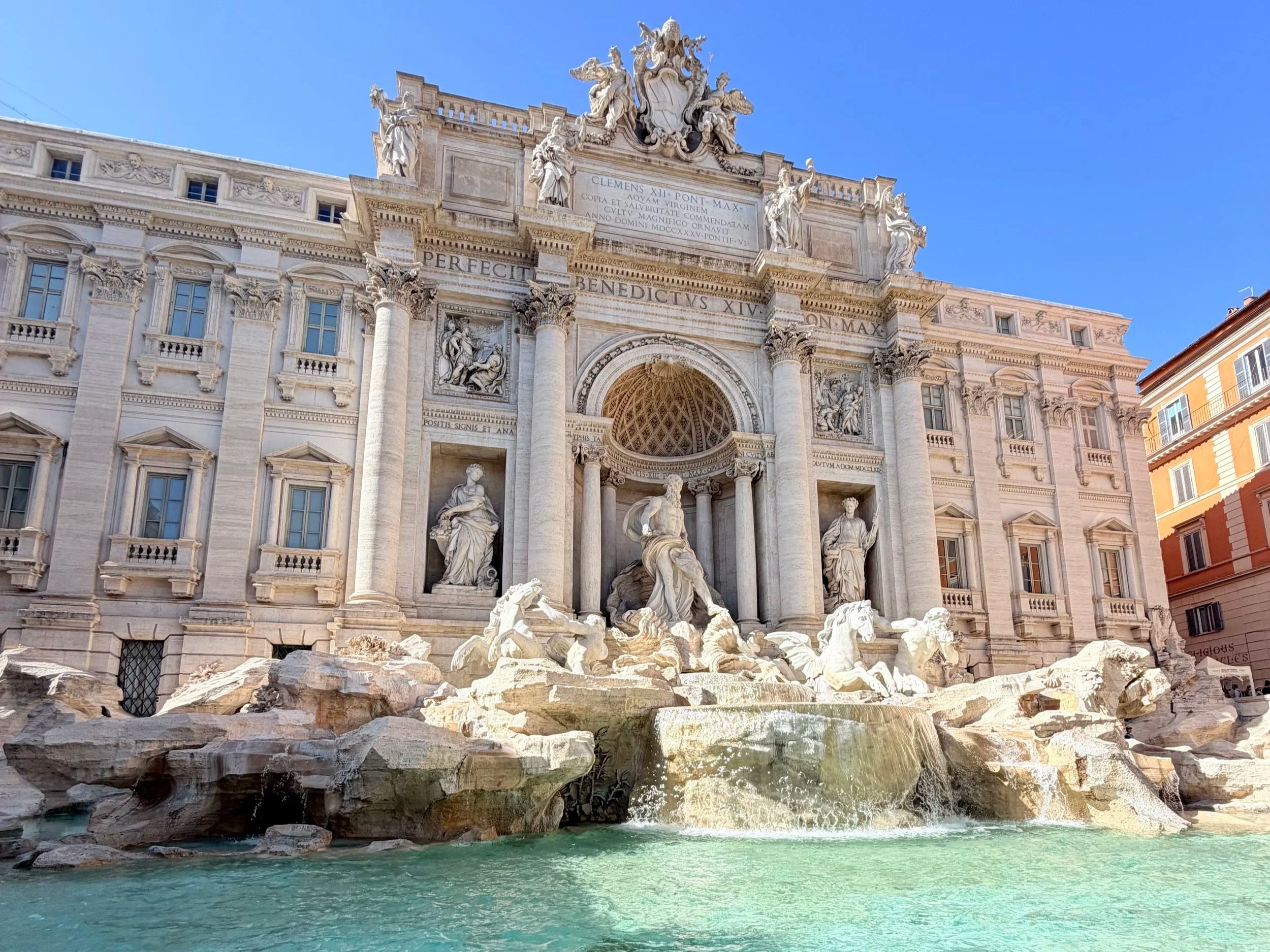
Visit the Trevi Fountain
Have a spritz with a view of the Pantheon
Explore Piazza Navona
Wander around Campo de’ Fiori
Walk up the Spanish Steps
See Villa Borghese
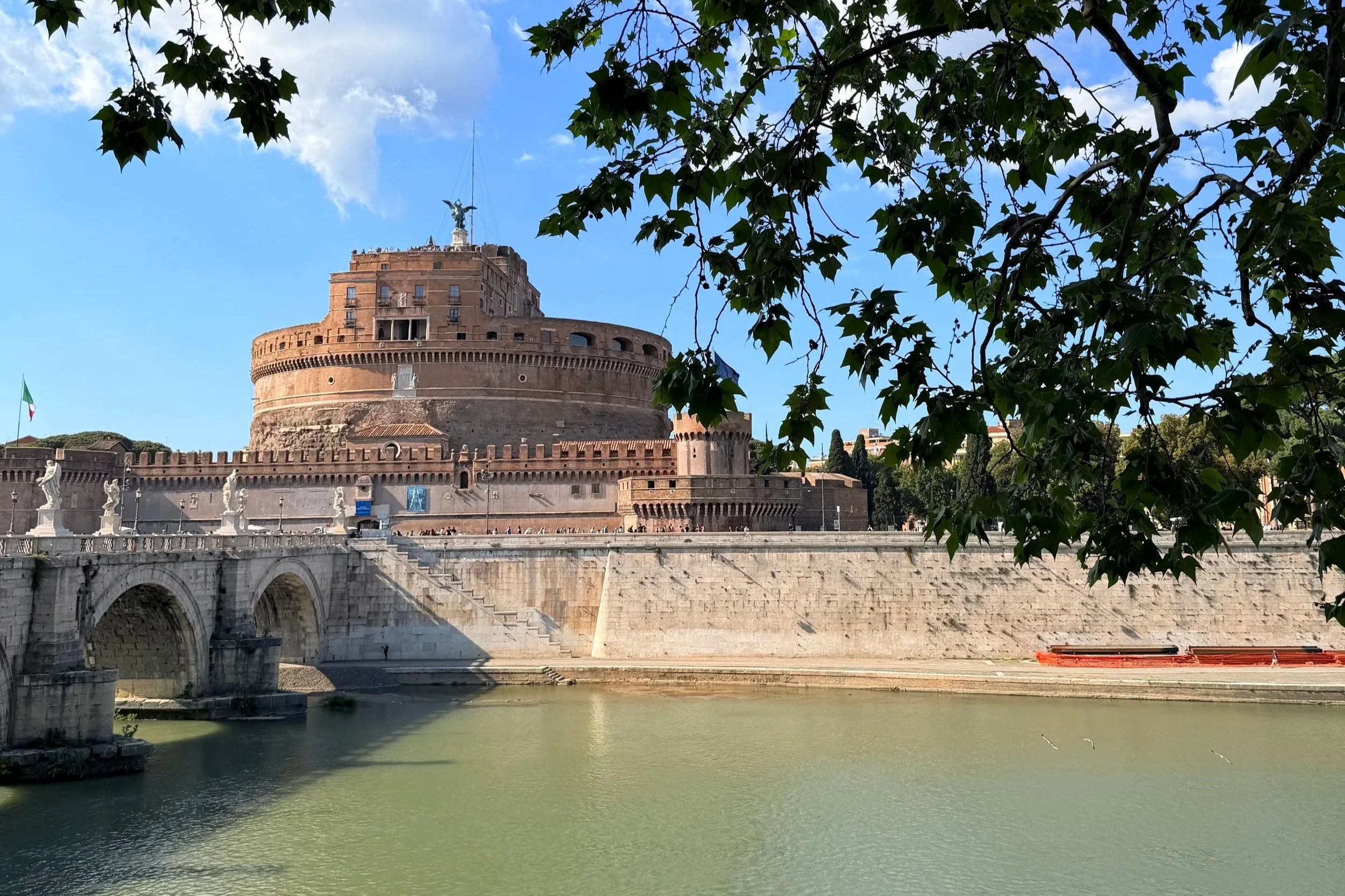
Get a view of Castle Sant’Angelo from the river
Walk through the Monument to Victor Emmanuel II
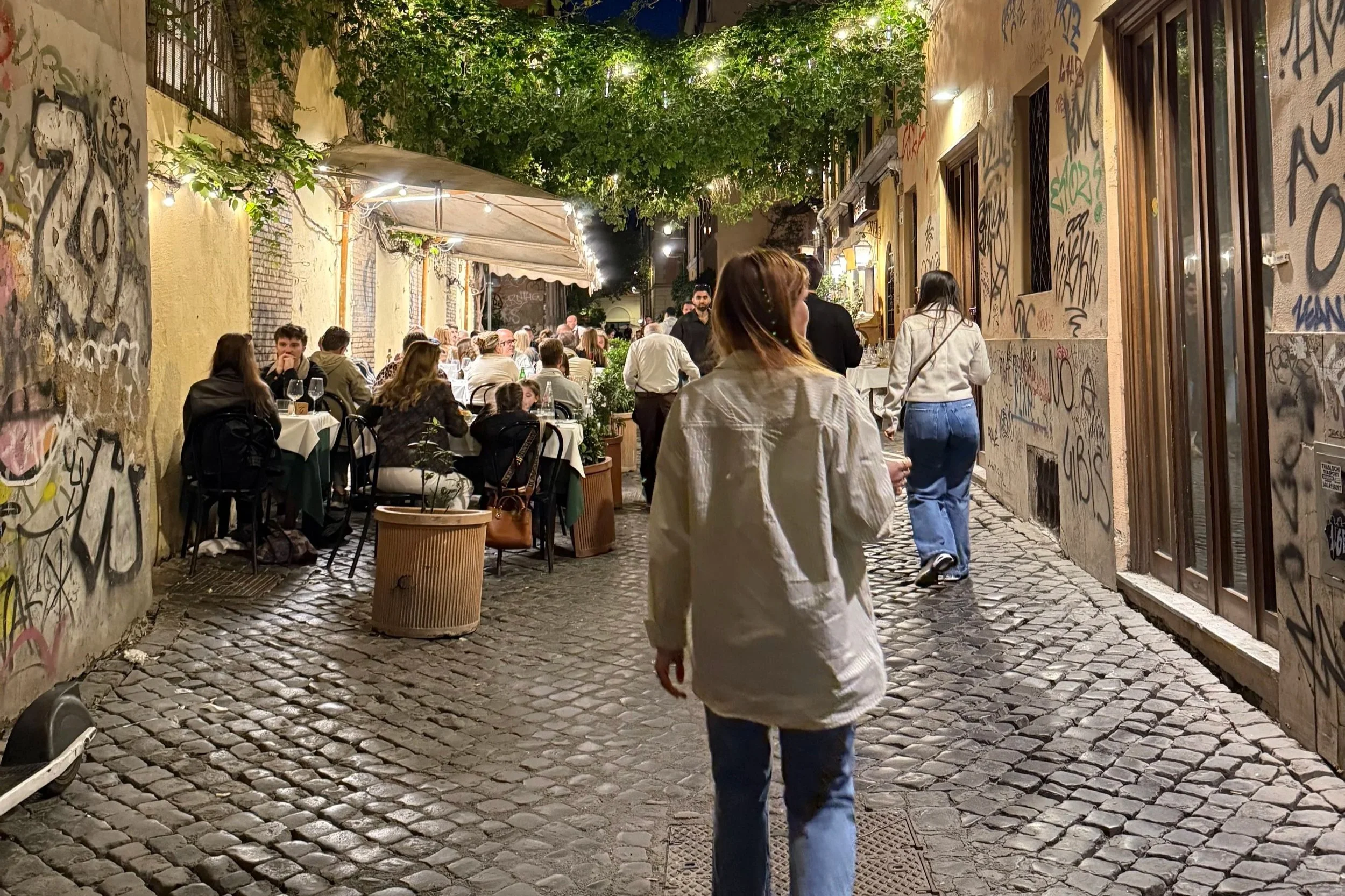
Eat and drink in Trastevere
Explore the streets of Monti
Find out more about these sights and why they were highlights of our trip to Rome in our blog here.
How to book activities in Rome
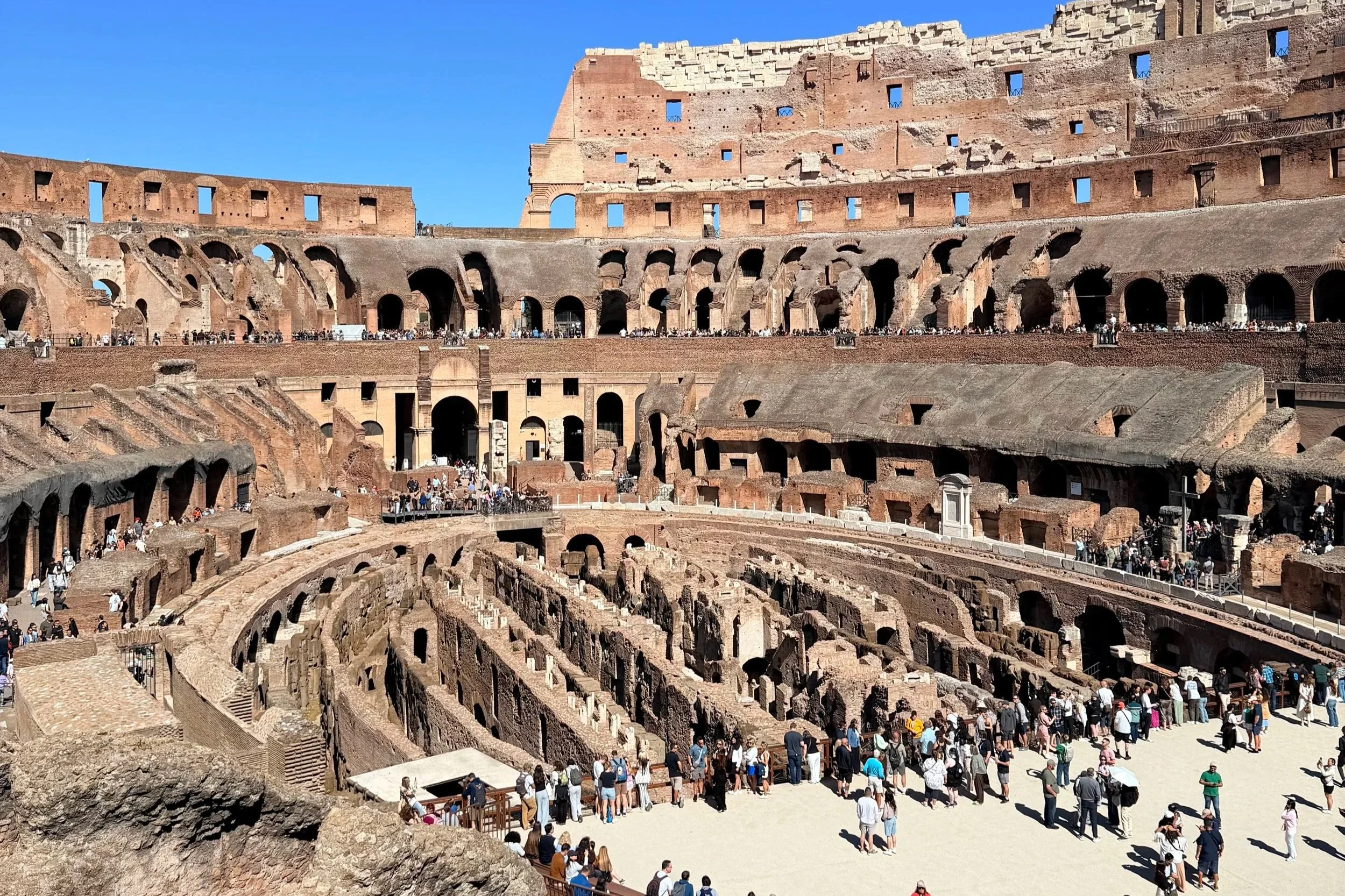
It’s advisable to pre-book your tickets for anything you want to see and do in Rome, as many attractions sell out meaning you can’t get tickets on the day. This is especially true for the Colosseum and the Vatican. You can view the Trevi fountain without a ticket but you’ll have a better and less crowded view if you pay the small €2 fee.
Be aware that there are many, many third-party websites that buy up tickets and sell them at a higher price, so always use the Google My Business website link when you’re buying official tickets.
For the Vatican we did end up having to buy a third-party ticket through Get Your Guide, which only cost about €10 more and meant we were able to skip the very, very long queue which was worth it. But make sure that if you are choosing to buy a third-party ticket that it is from a legitimate seller and worth the money. For example, some of the top Google results for Colosseum tickets are offering no benefits – just standard tickets – for more than 2x the official ticket price!
Where are the best places to eat and drink in Rome
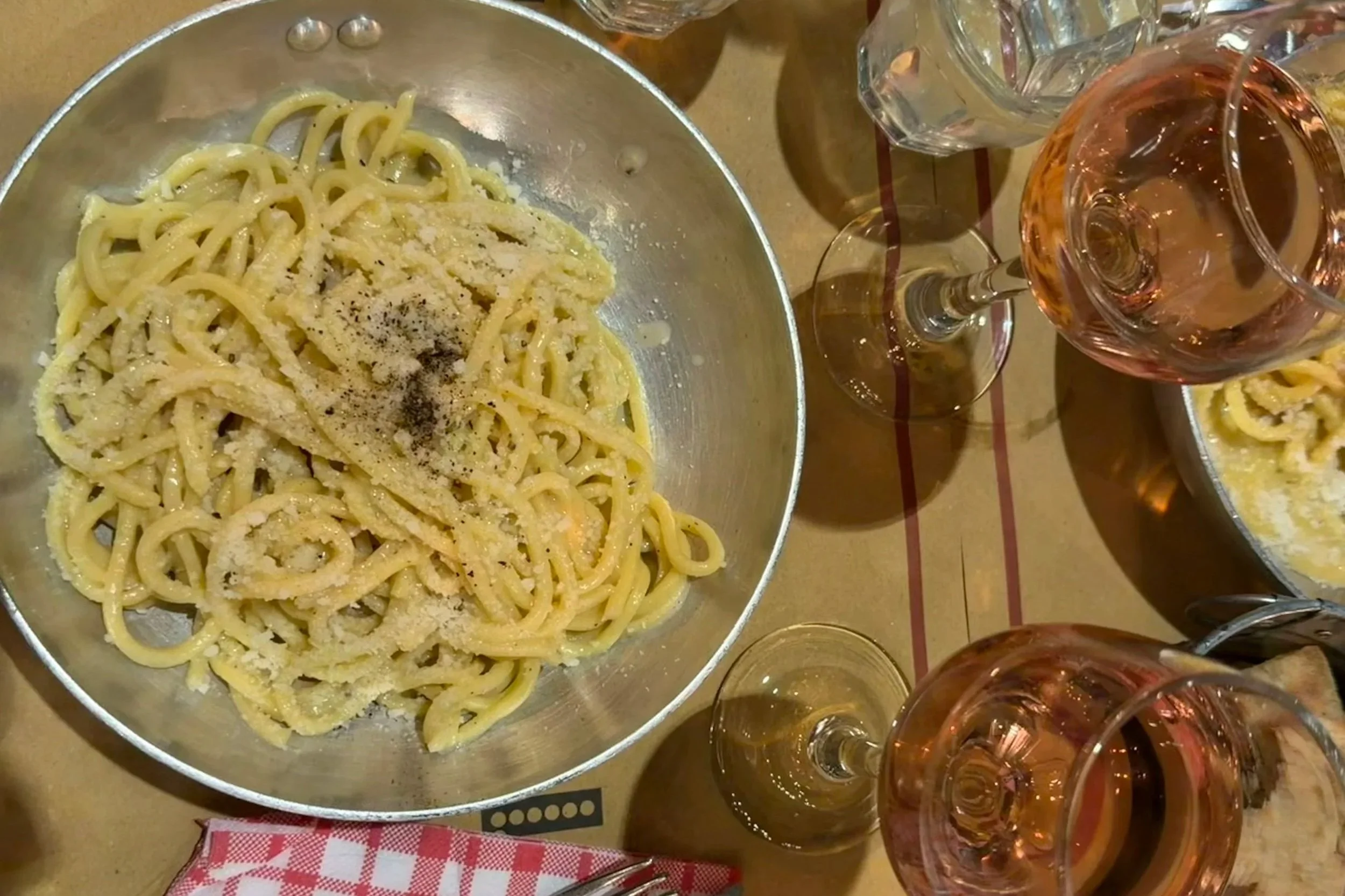
Rome is a foodie heaven. Every street is lined with bars and restaurants and it can be hard to tell a tourist trap from an authentic Italian dining experience. These were our favourite spots to eat and drink in Rome:
Ai Marmie
Bottega67
I Vaccinari
Tonnarello (or Tonnarello PoP)
Pastamore
Cave Canem
Pizza Zizza
Bar San Calisto
Find out more about why we loved these places to eat and drink in Rome here.
Where to stay in Rome
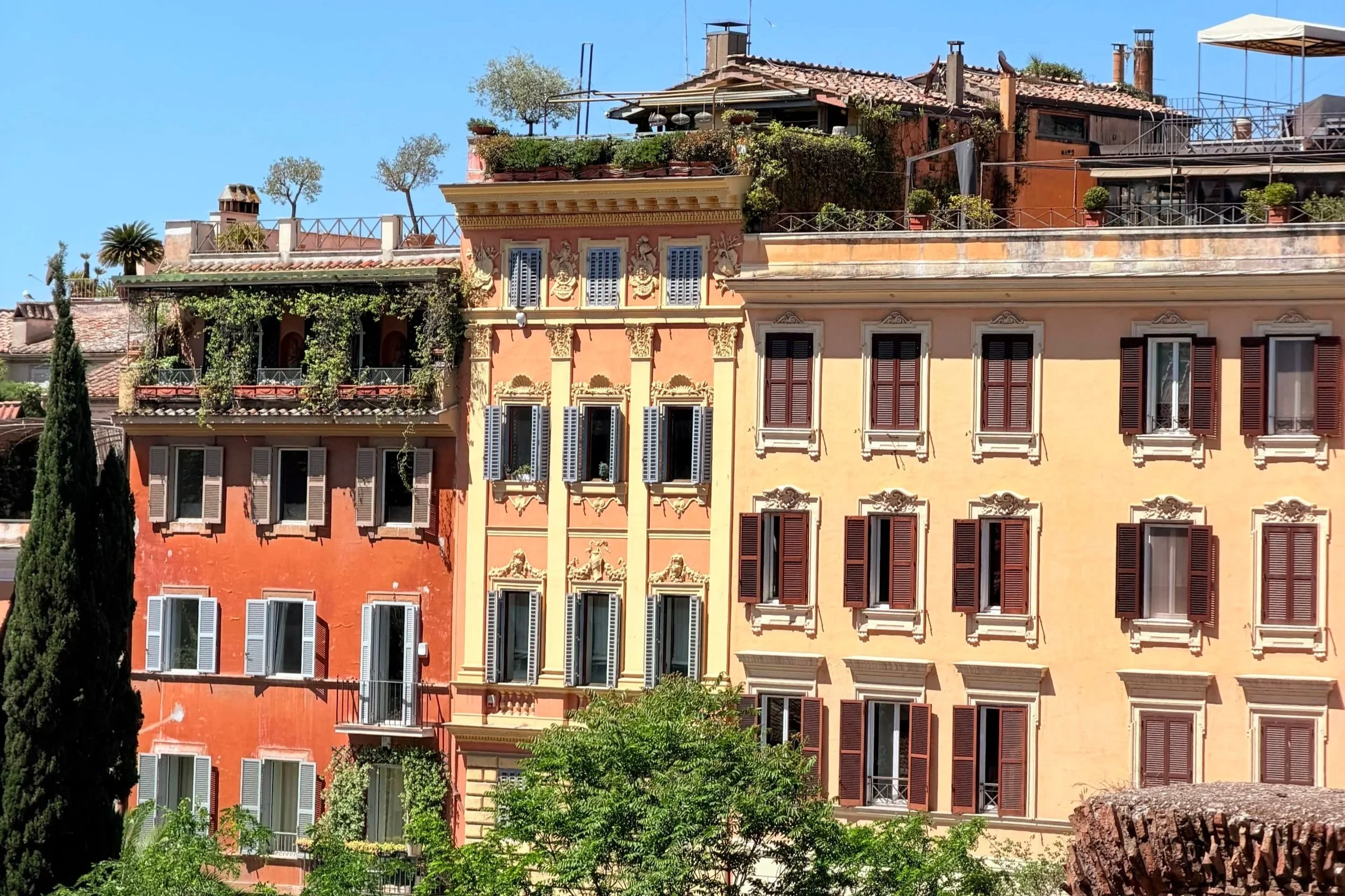
The first thing to know when you’re looking for accommodation in Rome is that it is not cheap! We found that we had to up our nightly budget a little just to find accommodation that we liked the look of, but it was worth it.
We stayed in Ostello Bello Roma Colosseo, which is about 10 minutes walk from the Colosseum. We found the location of this hostel to be perfect as we could easily reach Metro, bus, and tram stops but were also able to explore most of the city centre on foot.
If hostels aren’t usually your thing don’t let that put you off. Ostello Bello has a hotel feel to it, with the social benefits of a hostel (including a shared kitchen with free pasta, veggies, and tomato sauce!) if you want to take advantage of them. We especially loved the roof terrace, and noticed that there were groups of all ages (including a few families with children) there during our stay so it is not your typical hostel.
Another great option is the H10 Roma Città, which is a little further out but still well-connected, and has a rooftop pool.
How to get around Rome
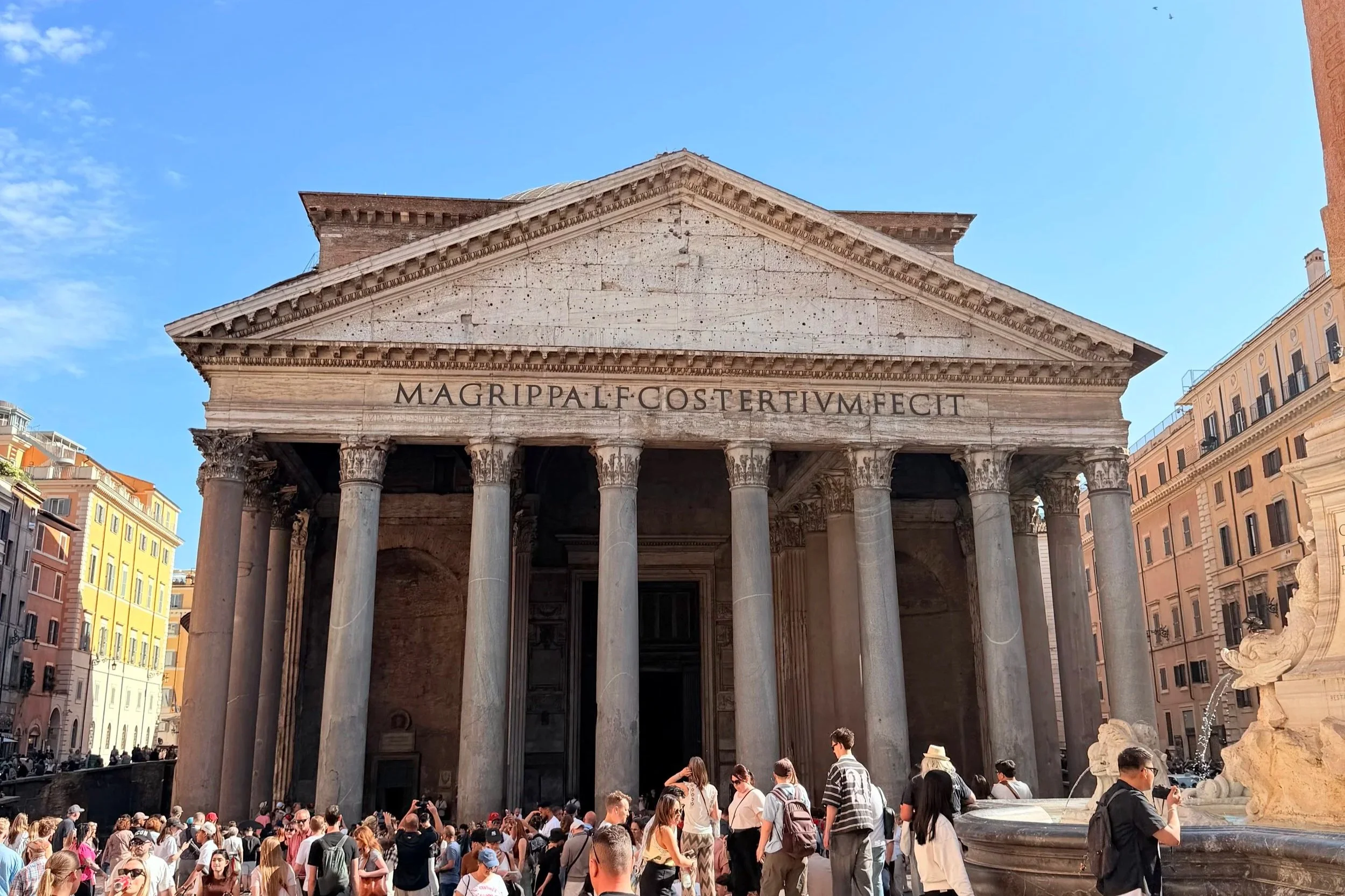
If you’re staying central, you can easily get around a lot of the main sights on foot in Rome. One of the most amazing things about the city is how the famous historic sights are right there in the modern city centre – no tour buses or long travel days needed!
However if you want to explore a little further afield, for example heading into Trastevere for dinner, then the Metro, buses, and trams are all safe, affordable, and easy to use.
As of our visit in 2026 you could tap on to all these forms of public transport using your bank card, so you don’t need to worry about ticket queues or purchasing the wrong pass. Simply use Google Maps or City Mapper to plan your transport routes and check timetables, and then tap on once the bus or tram comes (or when you enter the Metro station).
You can also get around by cab and Uber is available in Rome, but it costs a lot more than getting a Metro or bus, and often takes around the same amount of time.
Is Rome safe?
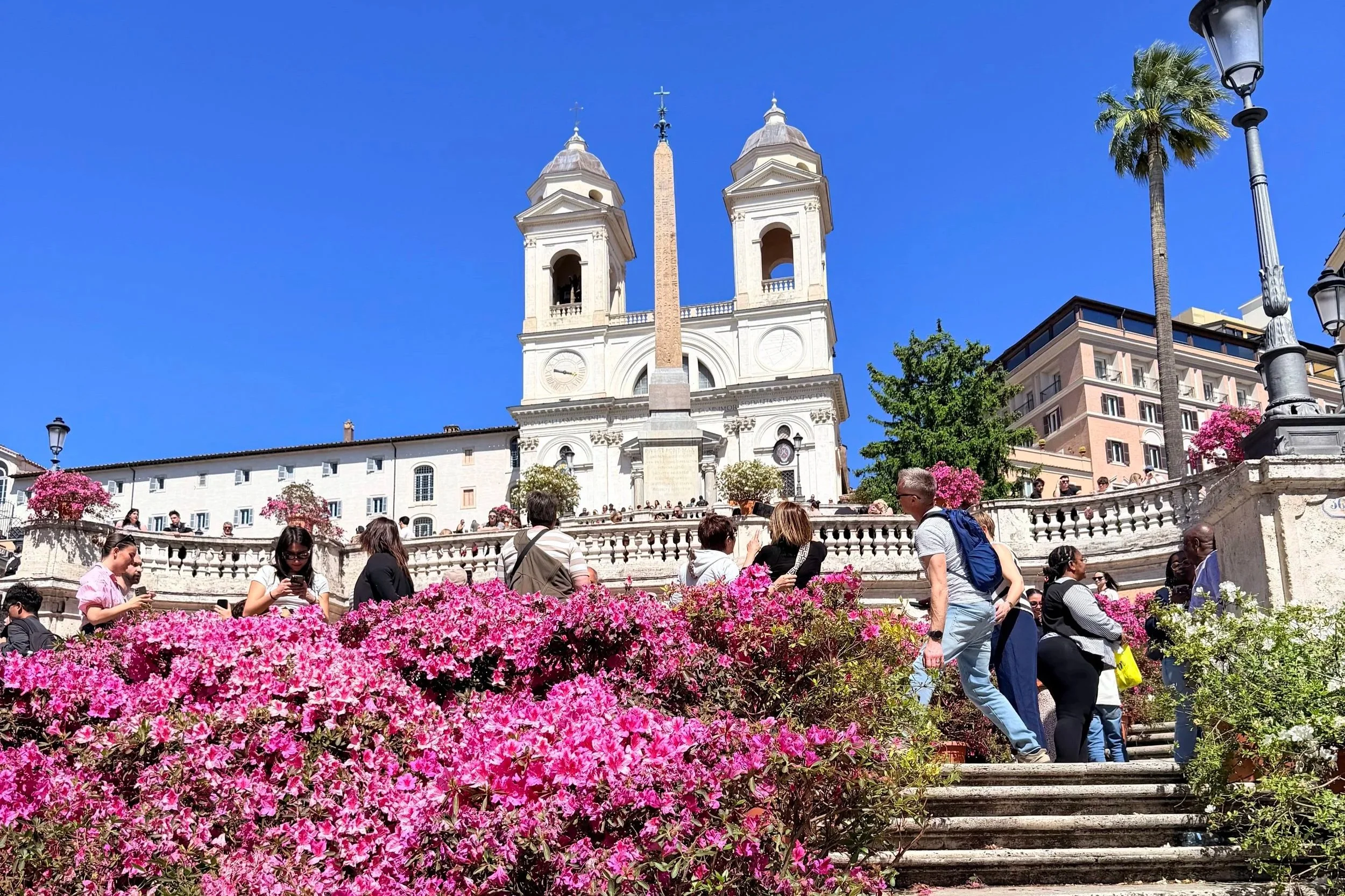
Yes, in general Rome is a safe city. As with all major cities, you should be careful with your belongings and thieves and pickpockets are active in busy tourist areas. And there are street scammers and sellers that prey on tourists. But with your wits about you there is no need to fall victim to these scams.
For example, if you see someone dressed as a Roman soldier near the Colosseum and take your photo with them, they will expect you to pay and harass you until you do. If someone drops a coin/bracelet/ring on the floor as you pass them do not ‘help’ them by picking it up as they will try to ‘gift’ it to you and then harass you for money for their ‘kindness’ – these are some of the most common street scams in Rome (and many European cities).
Is Rome expensive?
Rome is quite expensive. Transport is cheap, and once you’re out of the central area you can drink fairly cheaply in neighbourhood bars. But many of the good restaurants are at least averagely priced if not outright expensive, and many of the sights require payment which does add up. It’s not totally unaffordably expensive, but may require budgeting.
Here is an example of our daily spending in Rome, not including our accommodation:
Breakfast from Carrefour – €8 for two people
Access to the Colosseum, Fora, and Palatine Hill - €18 per person
Lunch (take away pizza slices) - €19 for two people
Monument to Victor Emmanuel II - Free
Access to the Trevi Fountain - €2 per person
Spritz near the Pantheon - €8 each
Bus to Trastevere - €1.50 each
Beer at Bar San Calisto - €3
Dinner at Tonnarello - €48
Total: €137 for two (€68.50 each)
Do you need cash in Rome?
While it is often useful to have Euros when you’re travelling in Europe, we didn’t use cash in Rome once. There isn’t a big tipping culture (and you can always add a tip on card if you want to) and we used our cards on all public transport. We also booked all our tickets online in advance.
We use Monzo and Starling which offer fee-free spending abroad and fee-free cash withdrawals abroad up to a certain daily limit, which helps make travel spending more affordable.
What to pack for a long weekend in Rome
We visited Rome in early May and the weather was beautiful. It was sunny and warm during the days (around 24ºc) but it got cooler in the evenings and a light layer was needed. Also, we did a lot of walking in Rome so comfortable shoes are a must.
Here is my packing list for a weekend in Rome:
Vest top
White crop top
Plain t-shirt
White long-sleeve top
Striped shirt
Light jumper
Wide-leg tracksuit bottoms
Straight-leg jeans
Denim shorts
Black Converse trainers
Enough socks and underwear for length of trip
Cross-body bag
Cap
Sunglasses
Daily toiletries
SPF
EU plug adapters
Water bottle
Passport
To find out more about the essentials you need to pack for a weekend in Rome, find my full Rome packing list here.