How we spent two days in Rio de Janeiro

Rio de Janeiro gets a lot of hype, and it’s totally deserved. We only had two days in Rio, but I’m already planning to go back and in just 48 hours it shot to the top of my list of favourite cities (sorry Barcelona, Sydney, and Medellin!)
We packed so much into two days, but there’s still a lot left to see, and other things that I’m fairly sure I’ll avoid. In this blog, I’ll explain my Rio highlights, where to stay, and whether or not Rio is dangerous for tourists.
Where to stay in Rio?
The most popular areas for tourists in Rio are Copacabana, Ipanema or Leblon. These beachside neighbourhoods are relatively safe for tourists, are perfectly located between the centre and the beach, and are full of hotels, bars, and restaurants.
If you have longer in Rio, the bohemian neighbourhood of Santa Teresa is another popular choice with tourists. But it’s a little further from the beach and not always as easy to get a taxi, so we opted for Ipanema.
What are the best hotels and hostels in Rio?

Hostels are expensive in Rio and the rooms are small and not that clean (in our experience of two!) But for anything remotely luxurious you’ll be paying well over £120 per night.
We were upgraded to our booked hostel’s nicer sister location in Leblon due to issues with our original room and even the one we were upgraded to was in no way worth its asking price! But obviously we didn’t complain… that just seems to be the way things are in Rio.
While I don’t have specific advice for which hotels or hostels to stay in, I would say that you might want to consider extending your budget a little here. And be sure to read the reviews on your booking site AND Google to get a full view of the place you’re planning to stay. Many hostels offer free drinks for positive reviews which can skew how good they look…
Two day Rio de Janeiro itinerary
If you have more time, you should stay longer than two days in Rio! I could have stayed for a week, taking day trips into the mountains and national parks and still not been bored of the city. But since we only had 48 hours, we made the most of it. These were our favourite things we did in Rio.
Day 1:
We started our first day with an early morning run along Leblon and Ipanema beachfront. This is a safe place to run and it’s absolutely full of other people working out, whether they’re running down the cycle lane, playing beach tennis or volleyballs, or using one of the many beach gyms. If you’re going to do this, go early or around sunset as the heat in the late morning and afternoon is intense.
We then spent our first morning in the Santa Teresa neighbourhood then moved into the historic centre. After seeing the main sights in these areas we headed back to Ipanema and spent the late afternoon at the beach.
These were the best things we did in Rio on day one.
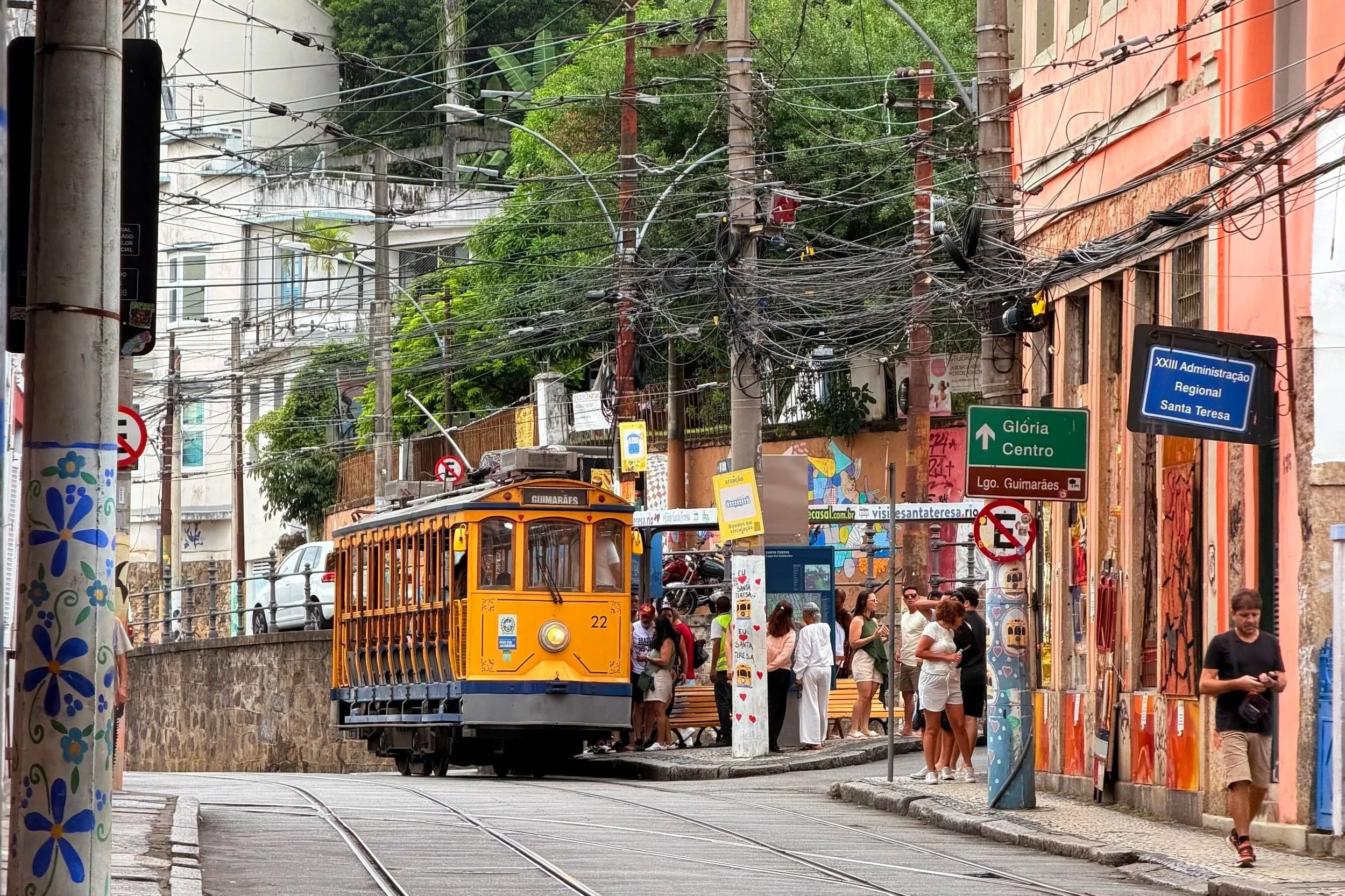
Santa Teresa tram
Catching the Santa Teresa tram is a popular tourist attraction in Rio and as a result it gets very very busy. The vintage tram carriage is only one car, so it doesn’t fit many people… we arrived at the tram station about 10:30am and there was already a 3 hour wait. So we decided to skip this and make our way around the area on foot instead.
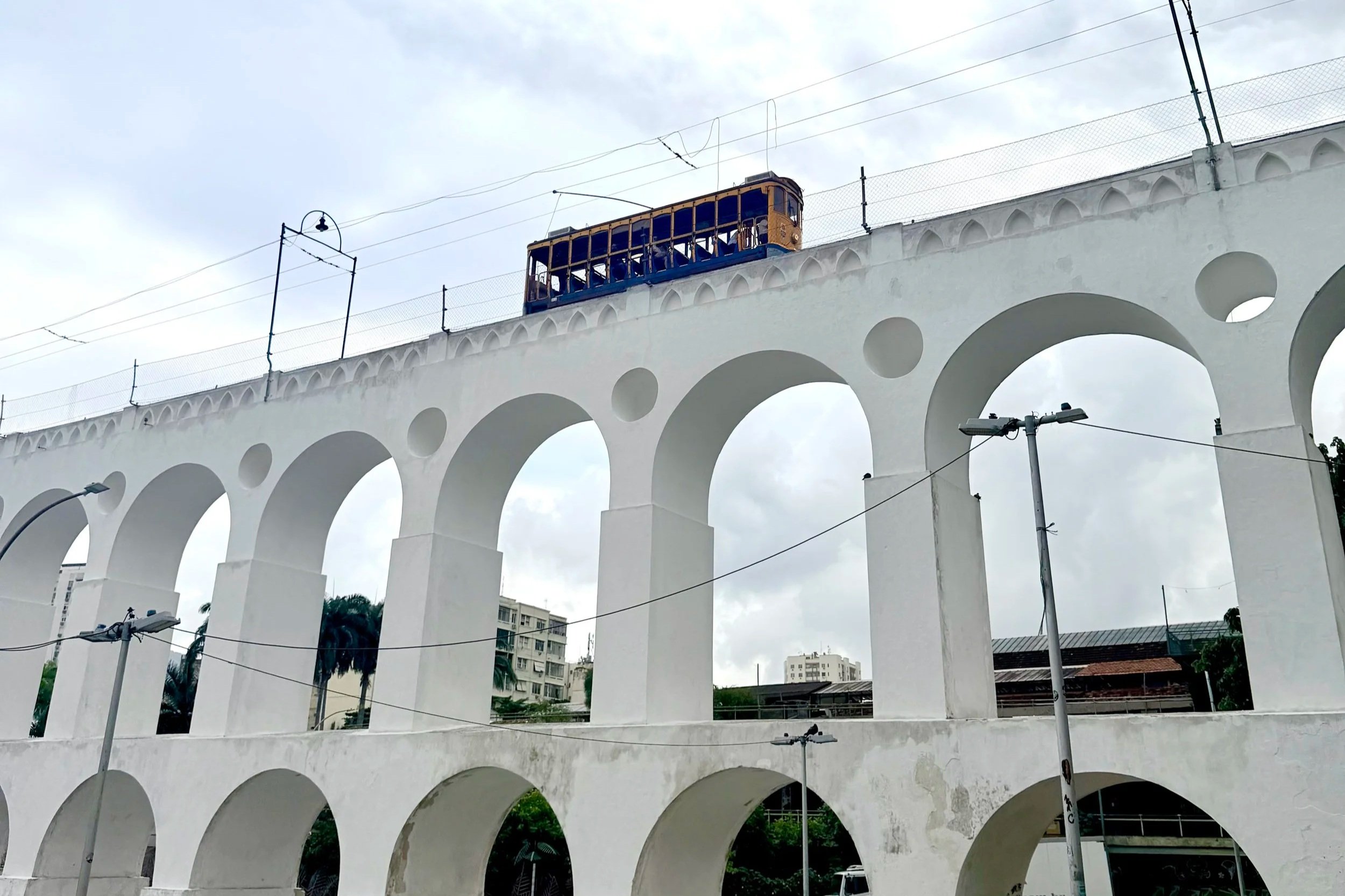
Arcos das Lapa
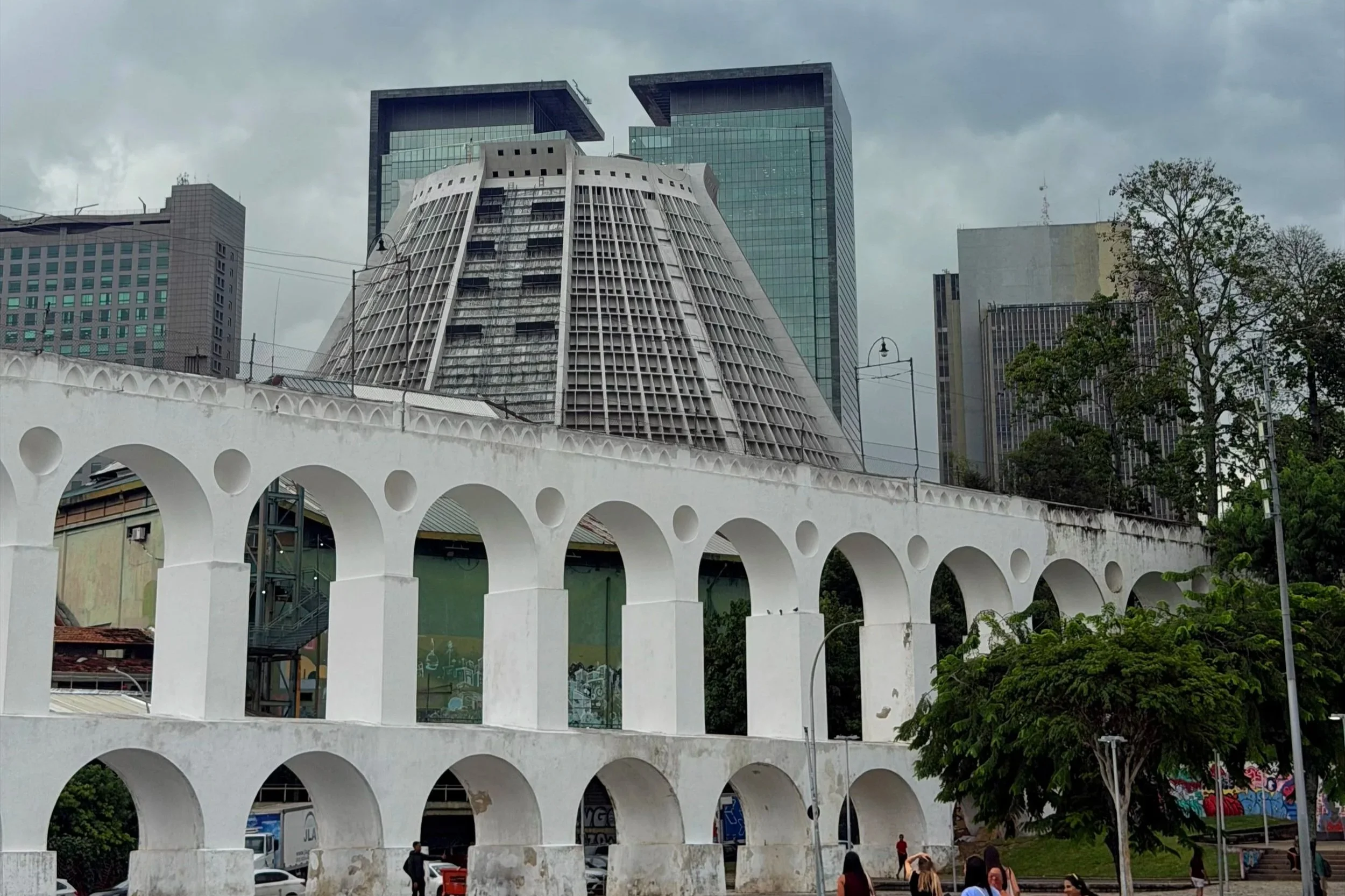
Close to the tram station is Arcos das Lapa, a set of arches with the tram line running over the top. It’s actually more interesting to see a tram go over this than it is to go over it in a tram, and they pass every 20 minutes or so.
Metropolitan Cathedral
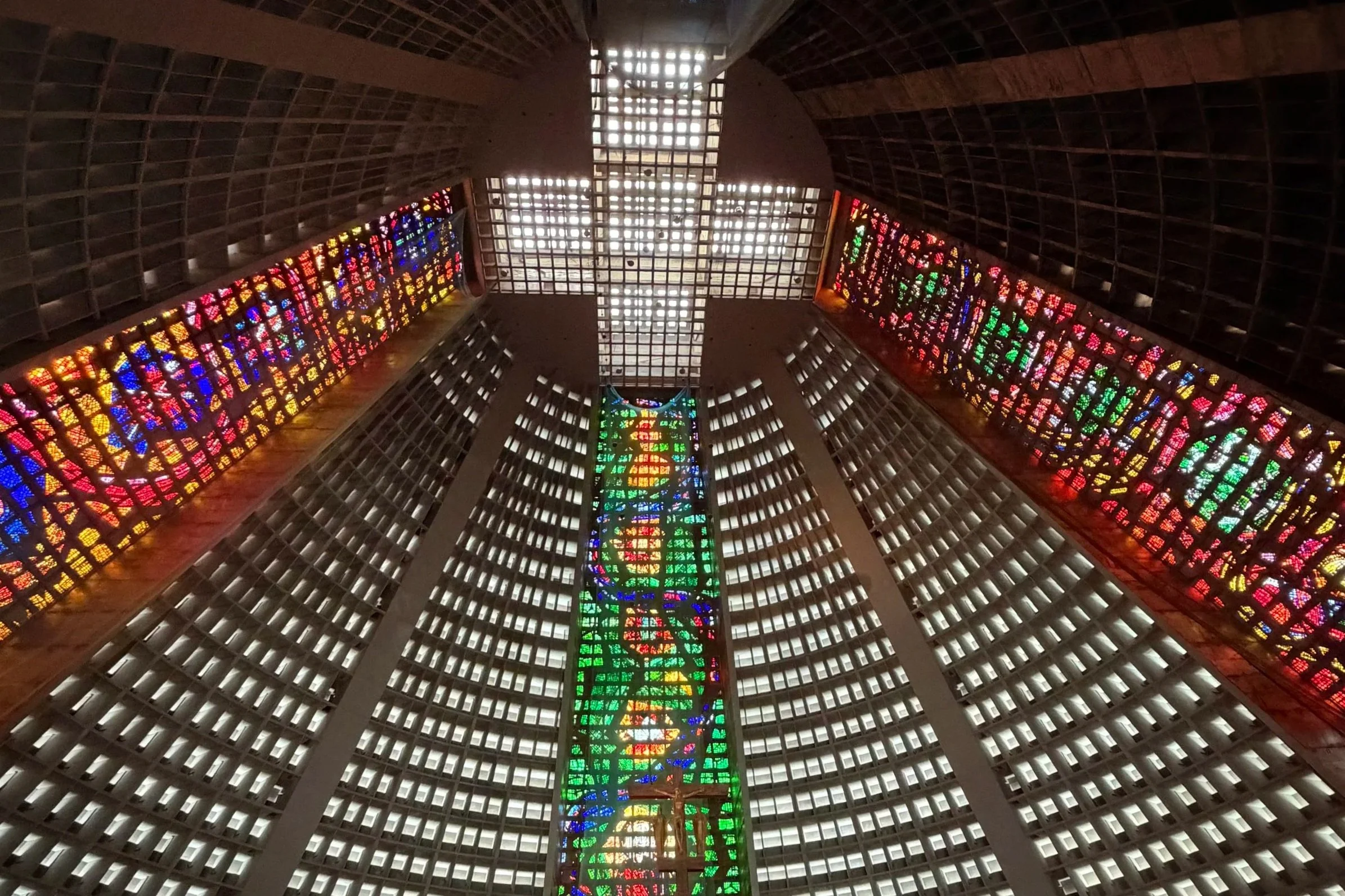
On the other side of Arcos das Lapa is the Metropolitan Cathedral. The outside of the building is unmissable — it’s a weird cone shape with a brutalist look to it. The inside is also fairly modern but has beautiful stained glass windows on each side. It’s free to enter but you need to wear fairly modest clothes.
Escadaria Selaron
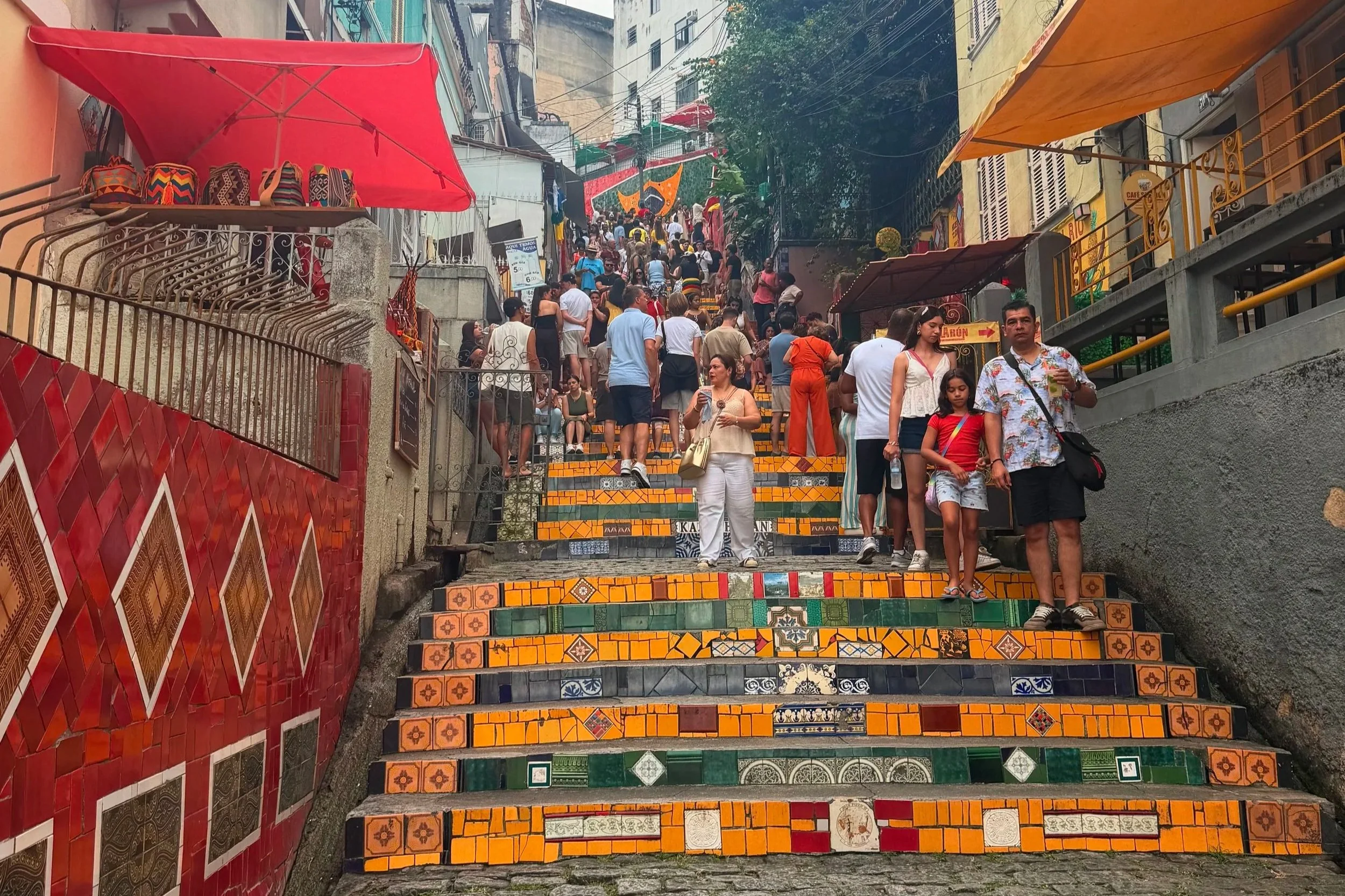
This large outdoor staircase is another popular tourist attraction that gets very busy. But the further up you walk the quieter it gets and the more your chance of a photo that isn’t full of feet improves! It only takes 5-10 minutes to walk up the steps, but there are lots of stalls selling food and drink and Brasil merch on the way up.
Santa Teresa
This bohemian neighbourhood has a relaxed and arty feel to it. It’s full of small cafes, independent shops, and street art. We spent an afternoon wandering around here, stopping in cafes and taking in the views across the city. Santa Teresa is hilly and high up, so at certain points you get amazing vistas across the bay.
Parque das Ruinas
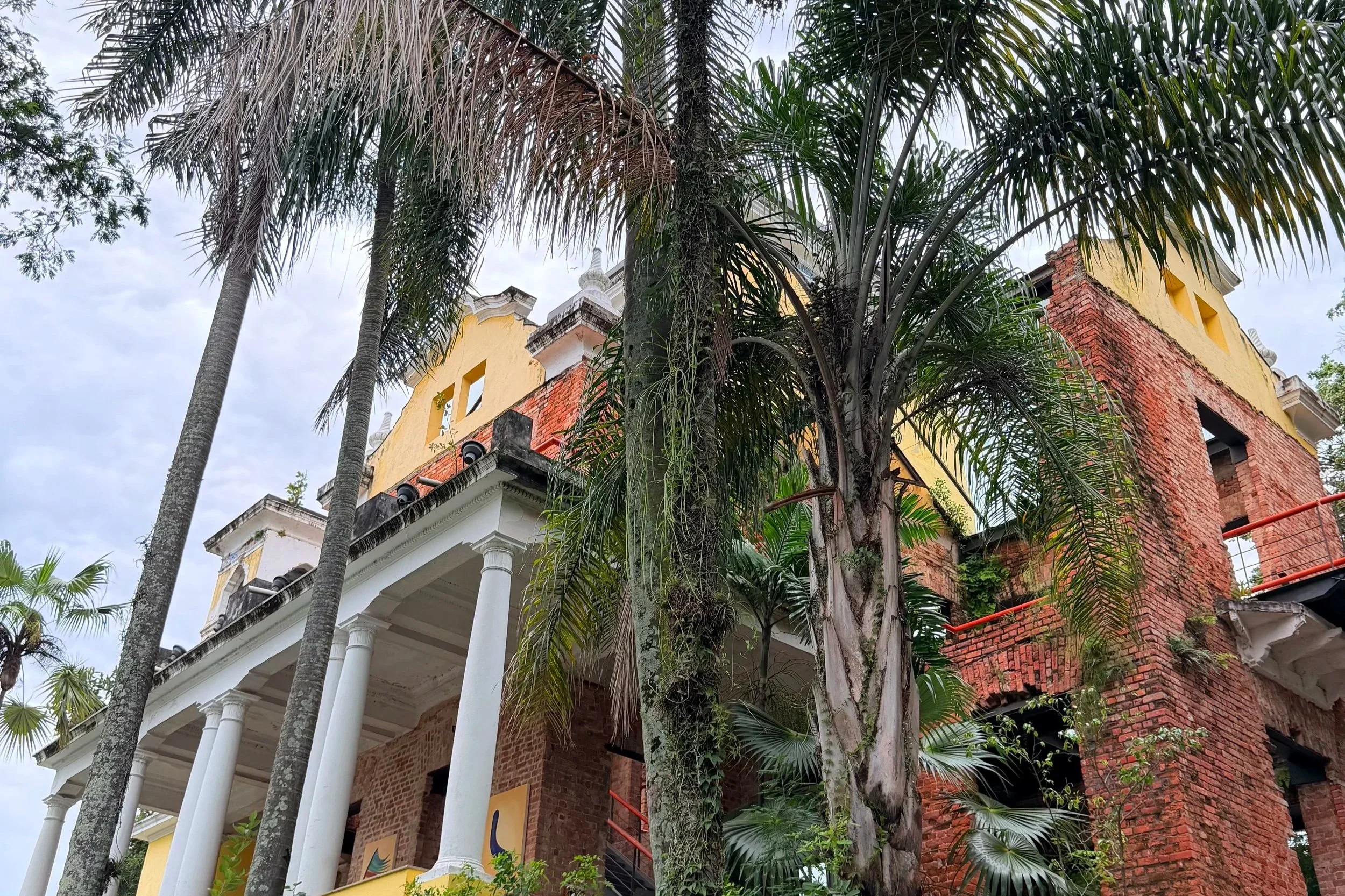
This park in Santa Teresa has an abandoned building in its centre which has been adapted into a city viewpoint. Take the stairs the whole way up to the top and you’ll get amazing views across the beach, and across to Christ the Redeemer.
Convento de Santo Antônio
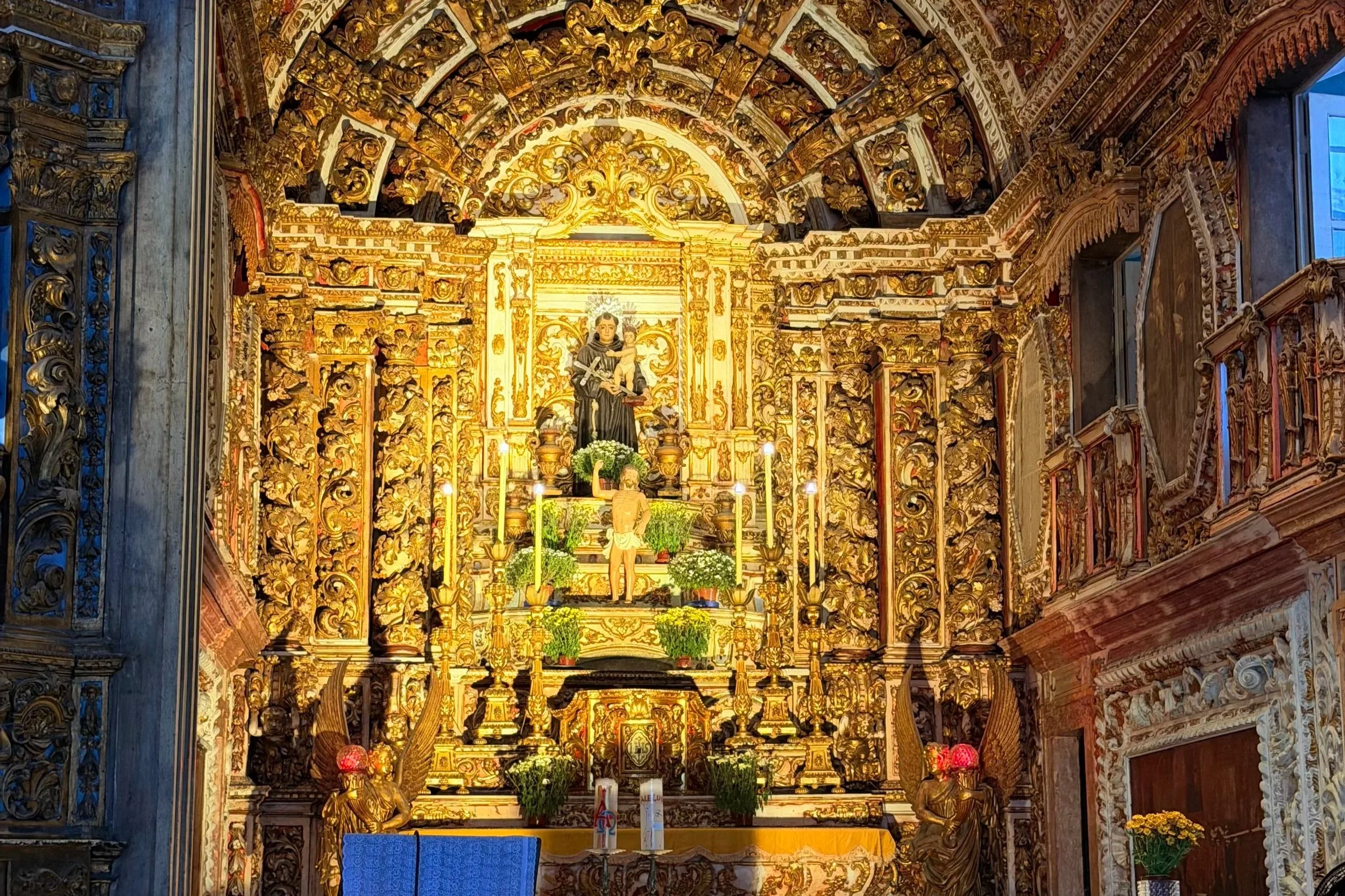
This small, old church just above the city centre looks unassuming from the outside but inside the altar is adorned with golden carvings. It’s peaceful despite how bold the design is, and a beautiful place to stop and sit if you’re passing by.
Teatro Municipal
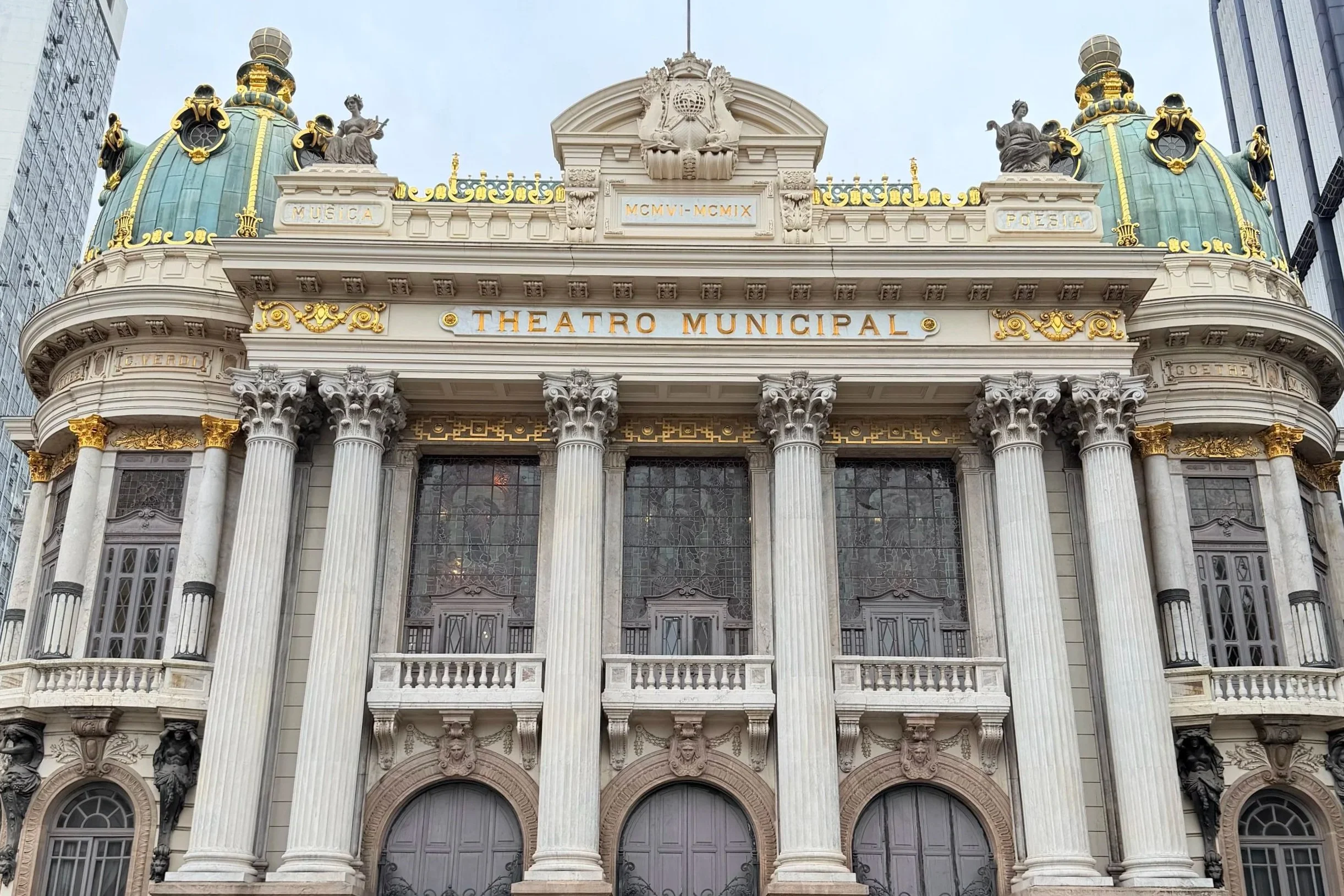
We didn’t have a tour or tickets to a show at the Municipal Theatre of Rio, but the outside of the building is impressive — it reminded us of Teatro Colon in Buenos Aires.
Biblioteca Nacional
Across the street from the theatre is the national library of Rio de Janeiro. It’s free to enter but you can only access the first two floors. We spent about 30 minutes walking around the grand building.
Ipanema beach
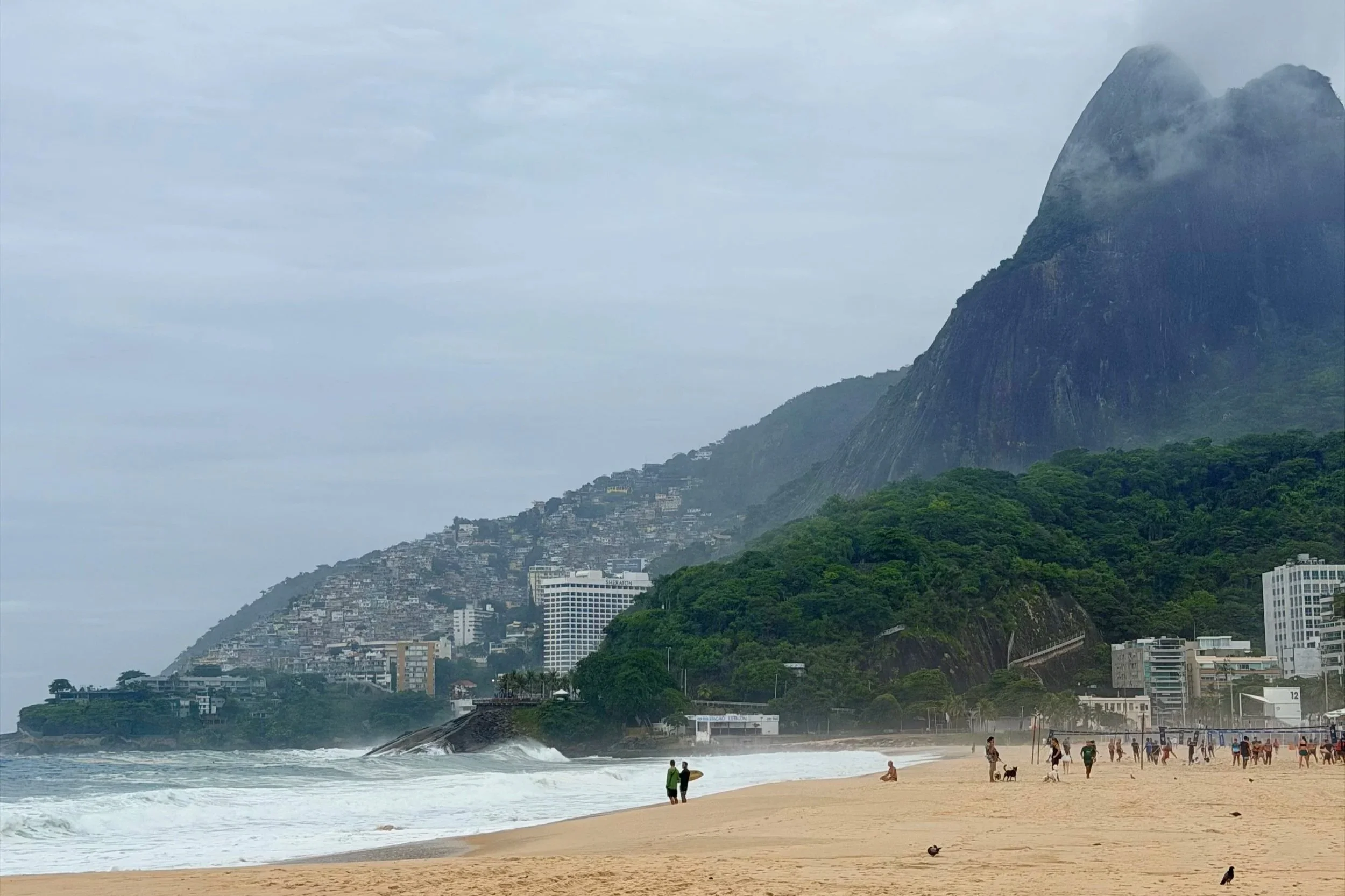
This famous beach has a slightly more chilled vibe than Copacabana. It was walking distance from our hostel so we spent a few hours relaxing with beers from the sellers on the beachfront. The waves were rough so going in the sea was prohibited that day, but it was a beautiful place to spend an afternoon.
Day 2:
On our second day in Rio we went to Christ the Redeemer and Parque Lage before heading back to the beach to spend the afternoon in Copacabana.
These were the highlights of day two in Rio.
Christ the Redeemer

Arguably the most iconic tourist attraction in Rio de Janeiro is Christ the Redeemer. You can see the huge statue up on the mountain from many spots across the city, so going up to the site in person is a must. But be aware of the queues.
We bought entry tickets for 10:40am (go closer to 8am if you want to beat crowds) and arrived to catch the train up at 9:30am. We were allowed in early and still only made it on to the train that arrived at 10:20am. We had heard horror stories of people missing their slot due to the queue and having to wait hours for the next available time so arriving very early is recommended.
We spent about 45 minutes at the top and honestly, I found the views across the city more breathtaking than the statue itself (which isn’t as big as I expected!) — although it’s obviously still very impressive.

There’s a small church and a couple of spots to get food and drink, and you can choose to take the steps or queue for an elevator to the platform.
It does get busy and there are people lying on the floor and all sorts to get a ‘perfect’ shot with Christ the Redeemer, but I guess when you’ve queued for an hour or more to get up there you might as well get what you came for!
We also had to queue for about an hour to get the train back down, but there was shelter and shade so we weren’t under the blazing sun.
Overall I do think this is definitely an attraction worth going to, but it perhaps isn’t entirely worth the global-scale hype — in my opinion at least!
Cosme Velho
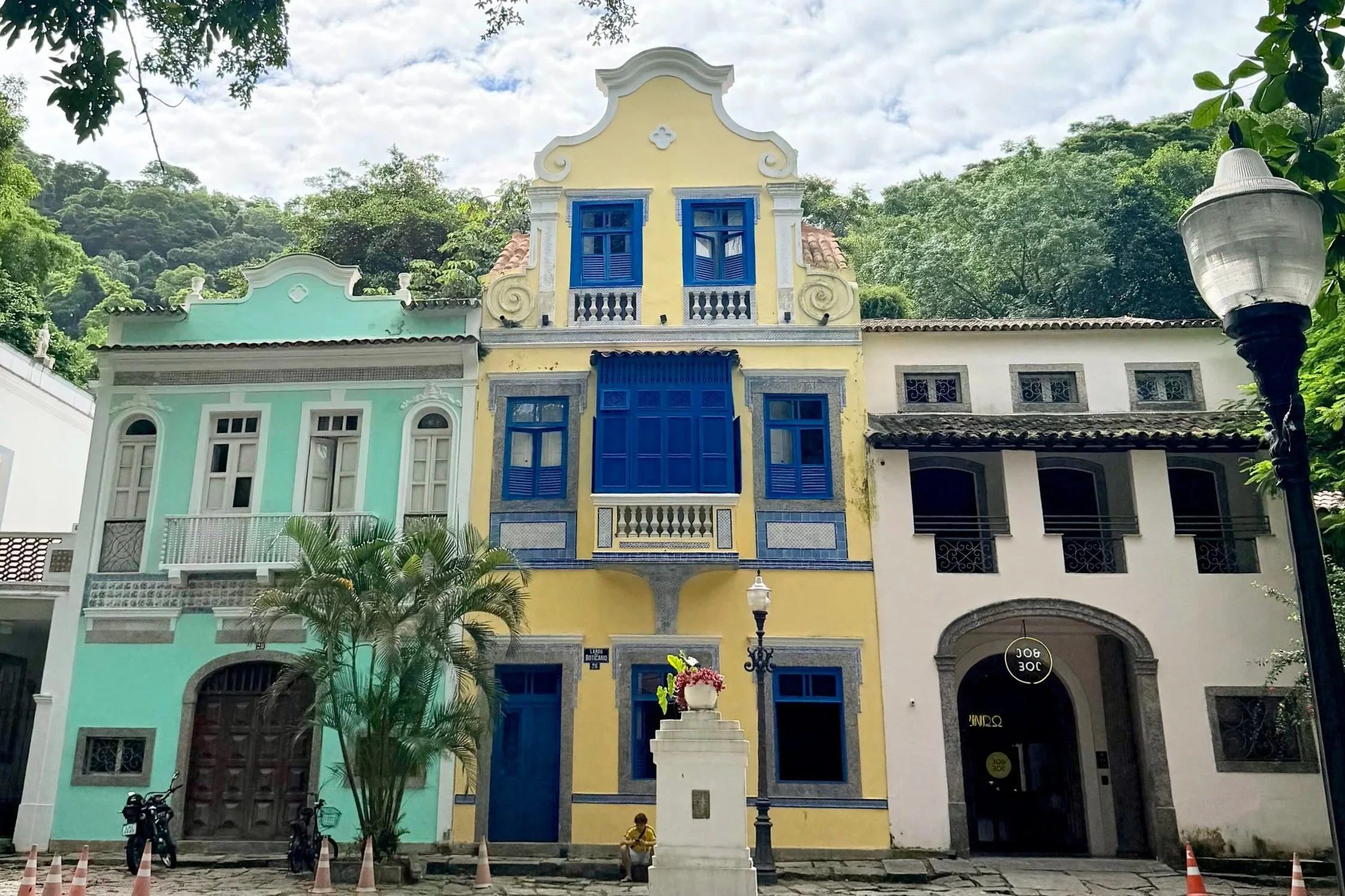
If you go to Christ the Redeemer, take a bit of time to wander the neighbourhood of Cosme Velho. The old buildings used to be home to some of the city's most famous artists and poets, and there are still some great things to see and do here, like stopping for lunch at Capitu Cafe.
Parque Lage
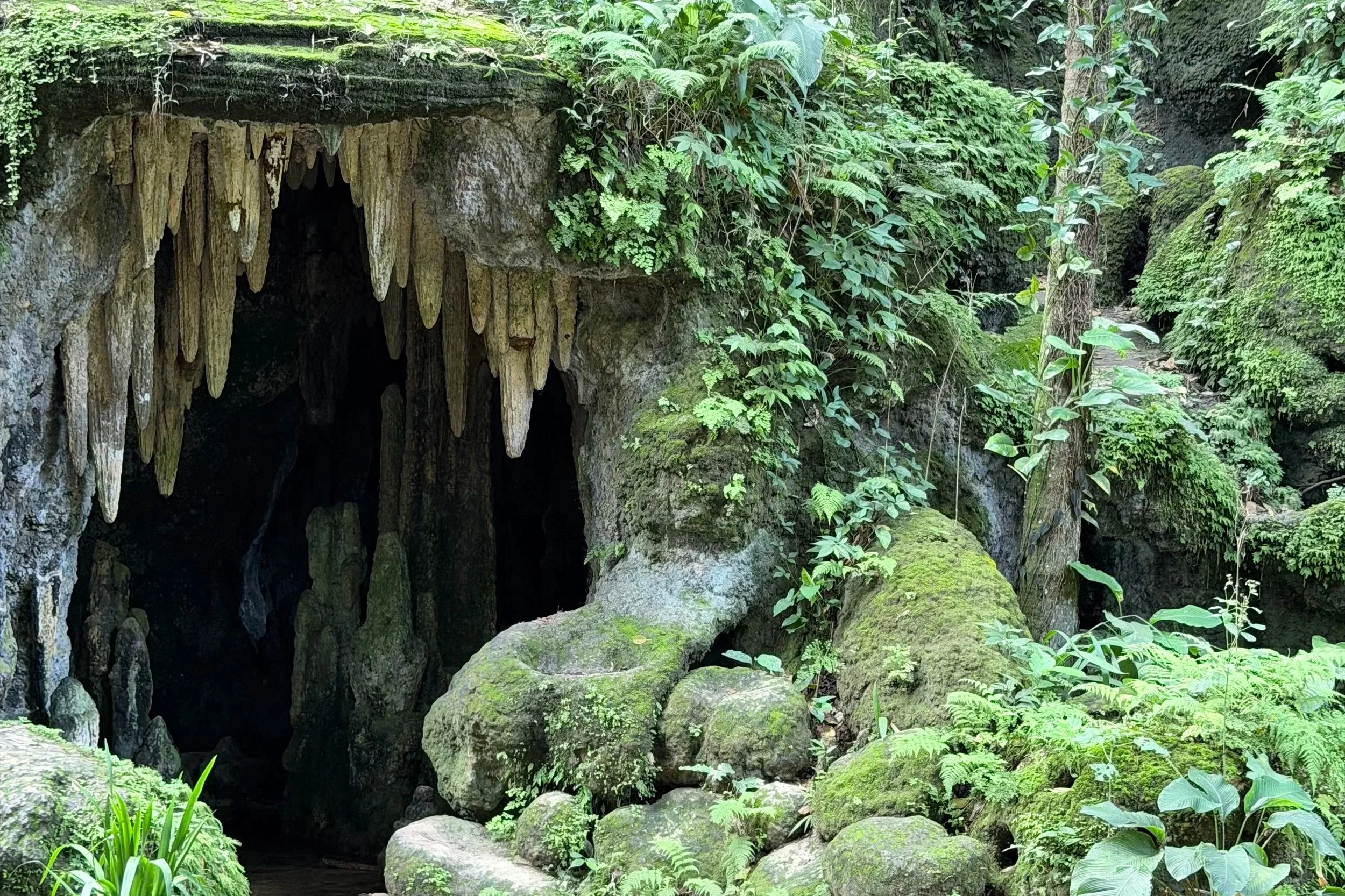
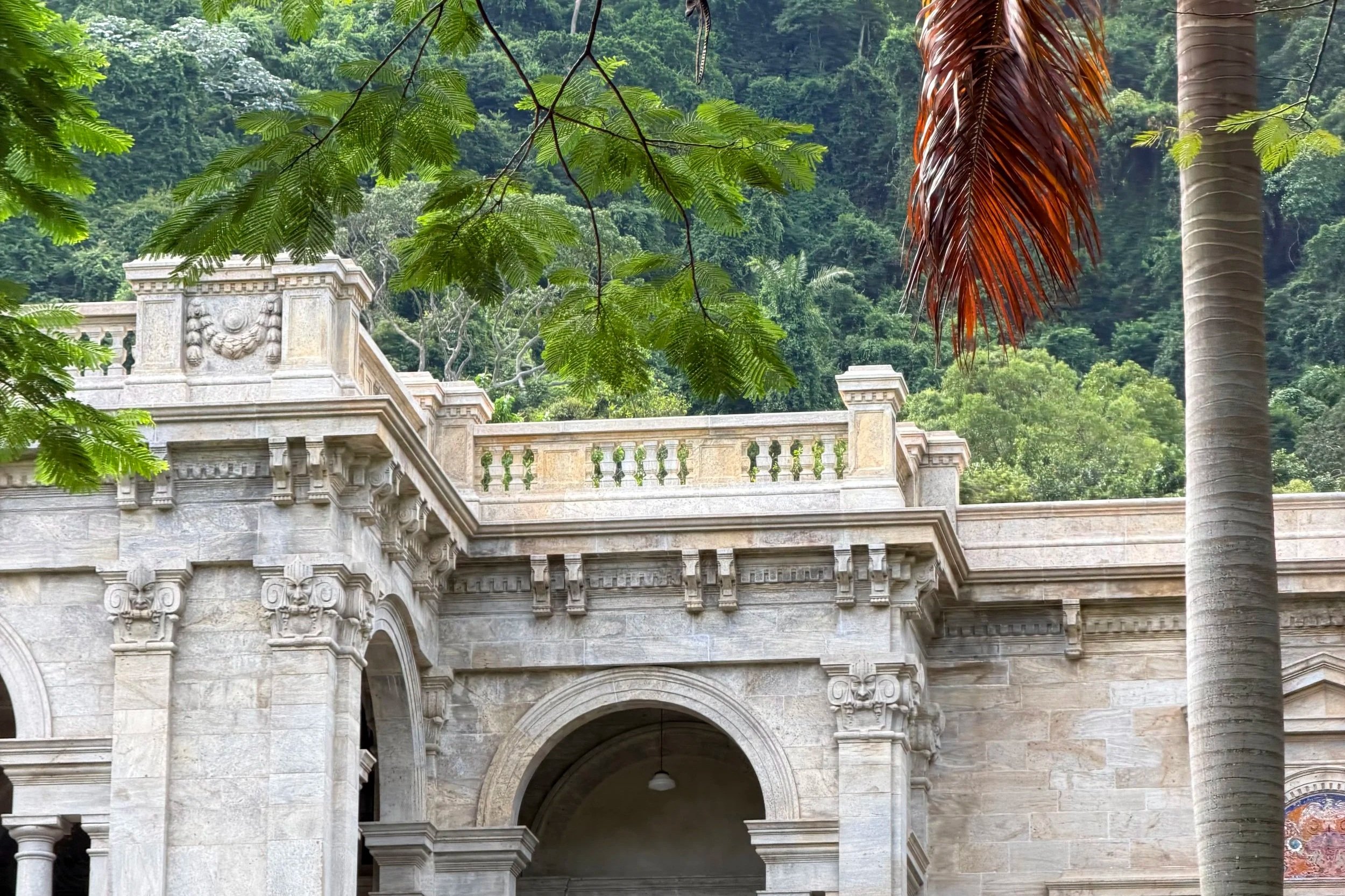
This park to the south of Christ the Redeemer is free to enter and is a beautiful and relaxing place to spend an hour or too. Around the ruins of a grand old house are jungle-like grounds with plenty of pathways to explore.
Copacabana
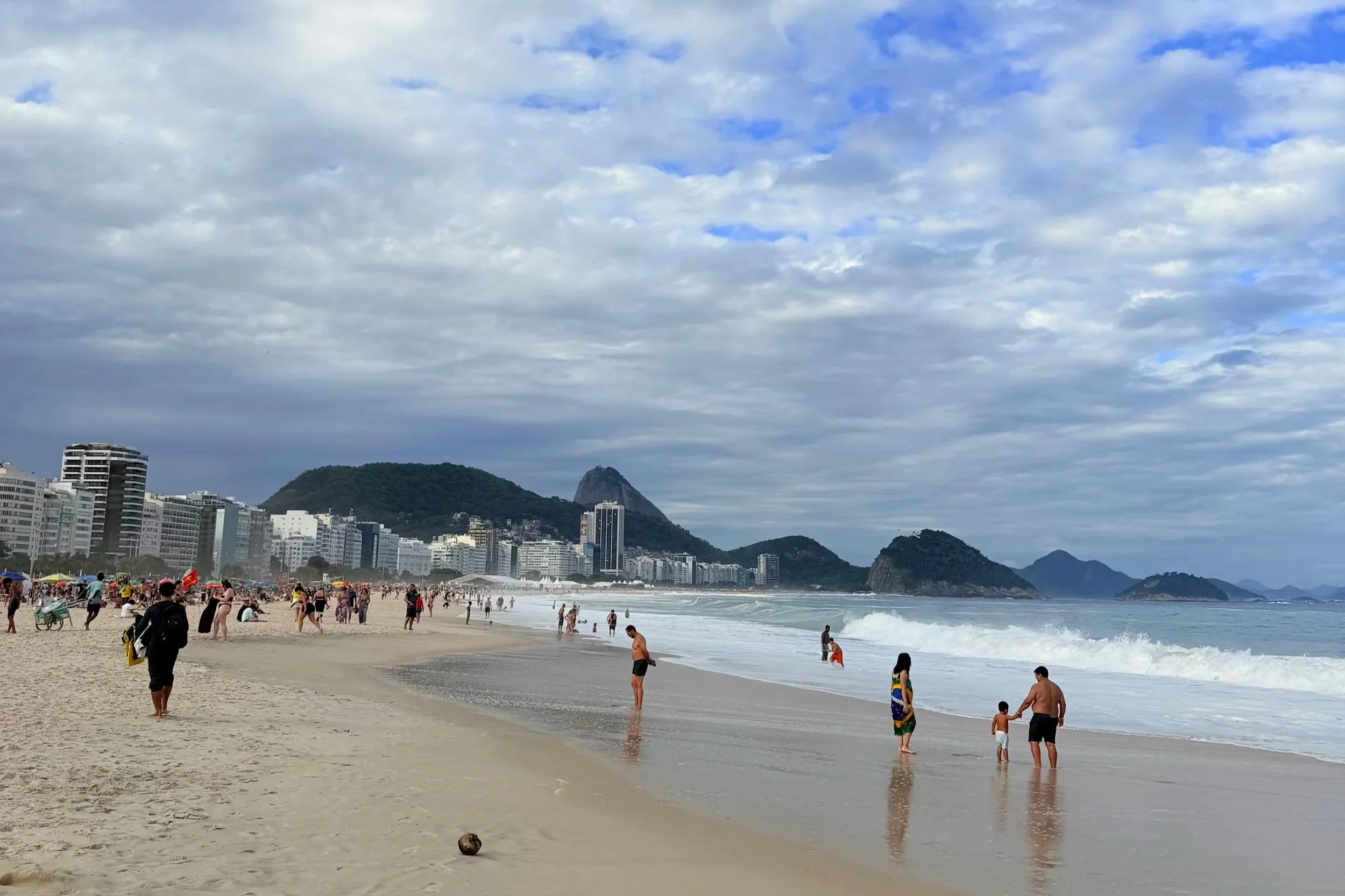
Probably the most famous thing to do in Rio after Christ the Redeemer is go to Copacabana beach. This is probably why I thought it would be overcrowded and not that nice… but I was wrong! I loved the vibe at Copacabana. We got chairs and caipirinhas from one of the sellers on the beach and sat for hours watching the surfers and relaxing. It’s busy and there’s a lot of loud music, but this is Rio. It’s not the place to go for a peaceful beach vacation!
Other things to do in Rio
If we had more time, the top things we would have done in Rio de Janeiro were:
Get the cable car up Sugarloaf Mountain (especially during the week for the sunset DJ set)
The Dois Irmãos sunrise hike
Parque Nacional da Tijuca
Where to eat and drink in Rio
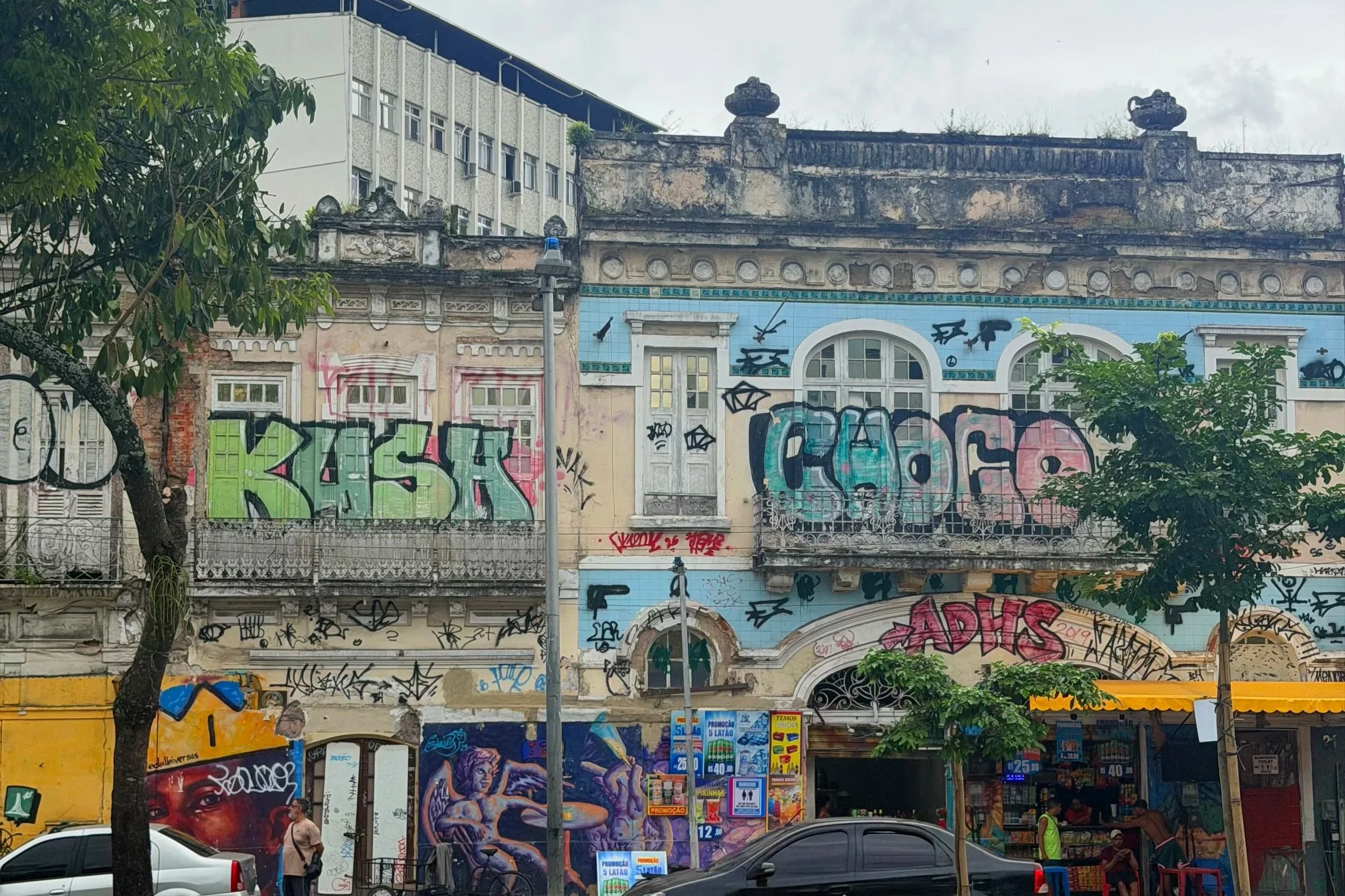
Since we only had two full days in Rio we obviously didn’t have much time to fully explore the food and drink scene in the city. But everywhere we tried, we ate amazing food. These were our favourite places to eat and drink in Rio:
Bar do Mineiro - a laid-back cafe/restaurant/bar in Santa Teresa with great traditional food
Gioia Ipanema - a popular Italian restaurant and cocktail bar (book a table!)
Zaza Bistro - another popular restaurant in Ipanema serving delicious traditional food with a modern twist
Capitu Café - a hidden gem with an excellent menu and tasty, fresh dishes close to Christ the Redeemer
The beach bars - honestly, the bars from Leblon Beach all along to Copacabana might be expensive tourist traps but they’re vibey, and they’re full of locals too…
How to get around in Rio?
Firstly, don’t get in cabs off the street. The best way to get around if you’re going a long distance or on a journey that will involve walking through non-touristy areas is Uber – especially Uber Black if it’s not a lot more expensive. It’s cheap, they’re everywhere so you’ll get one in minutes, and they’re reliable. Getting around Leblon/Ipanema/Copacabana cost us about £2 per ride!
If you’re staying in the central area and can easily get around using the Metro, this is also very safe. It costs about £1.50 per journey so sometimes splitting an Uber is cheaper… But it’s clean and not sketchy. Just be mindful of where you’re getting off and how far you have to walk at each end.
Is Rio de Janeiro dangerous for tourists?

Rio has a reputation for being a dangerous city for tourists. And to some extent it’s true – there is a real chance that your phone or valuables will be stolen if you’re not careful. But with a moderate level of caution – don’t walk around texting, don’t leave your things unattended, don’t walk around with your bag unzipped – the chances are you’ll be fine. Tourists always look like tourists in foreign cities, no matter how much they might think they blend in. So just try not to make yourself too obvious and don’t flash your valuables…. The majority of tourists make it out of Rio un-robbed.
Equally, think about the routes you’ll take to get places, and where you’re going to go. We didn’t go on a favela tour but it goes without saying that these are the kinds of places where tourists should be more careful. Especially if you don’t know the city or the language. There are also hiking routes with reports of robberies, and even reports of robberies in taxis so if your route isn’t easily covered by the metro (which is safe for tourists) book and Uber – preferably an Uber Black (although we didn’t always do this and we were fine).
So while yes, there are dangerous elements to Rio for tourists and it would be remiss to ignore that, there’s no reason that without a little caution you can’t have a totally safe and equally fun experience in the city.
What to pack for a weekend in Rio?
We visited Rio in April and the weather was warm and sunny, with one cloudy morning and one rainy night. The temperature didn’t drop below 22ºc so summer clothes with some light layers were perfect. This is what I packed for two days in Rio:
Two pairs of shorts
Two dresses
Two vest tops
One T-shirt
One white shirt
A pair of wide-leg trousers
A pair of denim shorts
A pair of summer shorts
A pair of Birkenstocks
A pair of Adidas Speziales
Sunglasses
A cap
A shoulder bag
A beach bag
A beach towel
Two bikinis
A water bottle
A phone case with a shoulder strap
Daily toiletries including SPF
Find out more about our travels through South America including itineraries, where to eat and drink, and packing lists here.