How we spent four weeks travelling around Europe by train (without an Interrail pass)
When most people think about travelling around Europe by train, they think about Interrailing. And we did too. But after looking into the costs, travel date restrictions, and the route we actually wanted to take, we realised that buying an Interrail pass wasn't necessarily the cheapest or most flexible option.
Instead, we opted to book our trains, buses, ferries, and flights separately as and when we knew where we were going, and ended up spending less on transport while having complete freedom over our itinerary.
Over four weeks we travelled through Italy, Slovenia, Hungary, Austria, Slovakia, and Croatia, combining high-speed trains, local buses, ferries, and a couple of flights. Here's exactly how we did it.
Why we didn't buy an Interrail pass
Before booking anything, I assumed we'd be buying an Interrail pass. However, once I started pricing up our route, it became clear that it wasn't the best option for this particular trip.
The main reasons were:
We wanted complete flexibility rather than being tied to a certain number of travel days.
Some trains still require seat reservations even with an Interrail pass, which adds extra costs.
Our route included ferries and flights that wouldn't be covered by the pass.
Croatia's rail network isn't particularly extensive, so we'd need alternative transport anyway.
When we priced everything individually, it worked out cheaper than buying passes for both of us.
Is Interrail worth it?
Yes, for the right trip. But I also think there's a misconception that buying an Interrail pass is automatically the cheapest way to travel around Europe.
If you're travelling through countries with affordable train tickets, booking in advance, or mixing trains with ferries, buses, and flights, it's worth comparing the costs before committing to a pass.
For us, booking everything separately gave us more flexibility and ultimately cost less than Interrailing would have. Interrail can still be excellent value, particularly if you're travelling spontaneously or taking lots of expensive long-distance trains. But for our itinerary, booking transport separately made more sense.
Our four-week Europe itinerary
Our route looked like this:
Italy
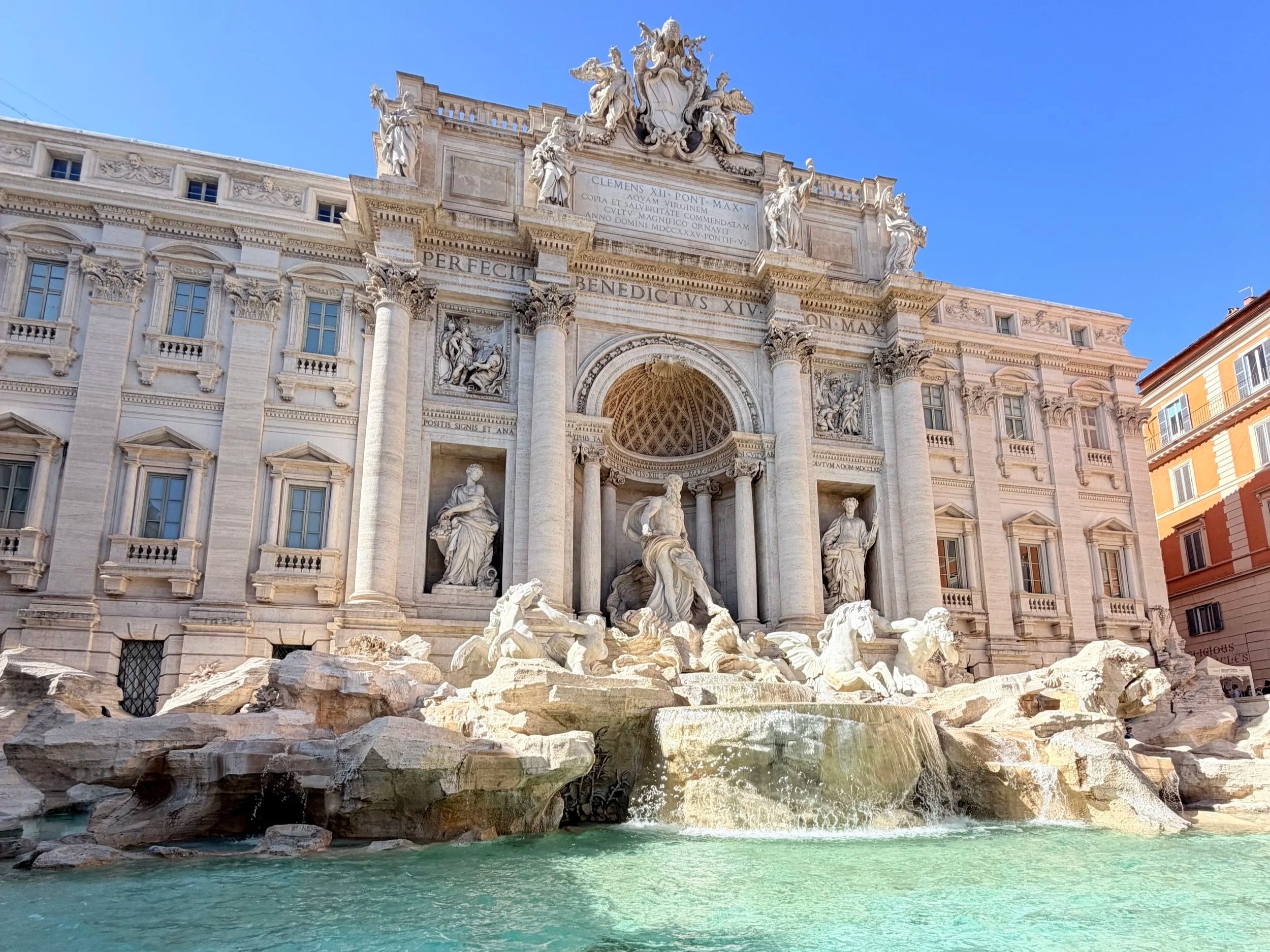
Fly from London to Rome
Train from Rome to Naples
Ferry from Naples to Capri
Ferry from Capri to Sorrento
Train from Sorrento back to Naples
Train from Naples to Pompeii
Train from Naples to Milan
Train from Milan to Lake Garda
Ferry to Sirmione
Train to Verona
Train to Venice
Slovenia

FlixBus from Venice to Ljubljana
Local bus from Ljubljana to Lake Bled
Hungary
Train from Ljubljana to Budapest
Austria
Train from Budapest to Vienna
Slovakia
Train from Vienna to Bratislava
Bus back to Vienna airport
Croatia
Flight from Vienna to Dubrovnik
Drive and ferry up the Dalmatian Coast via Makarska, Hvar, and Split
Fly home from Split
Why we flew to Croatia
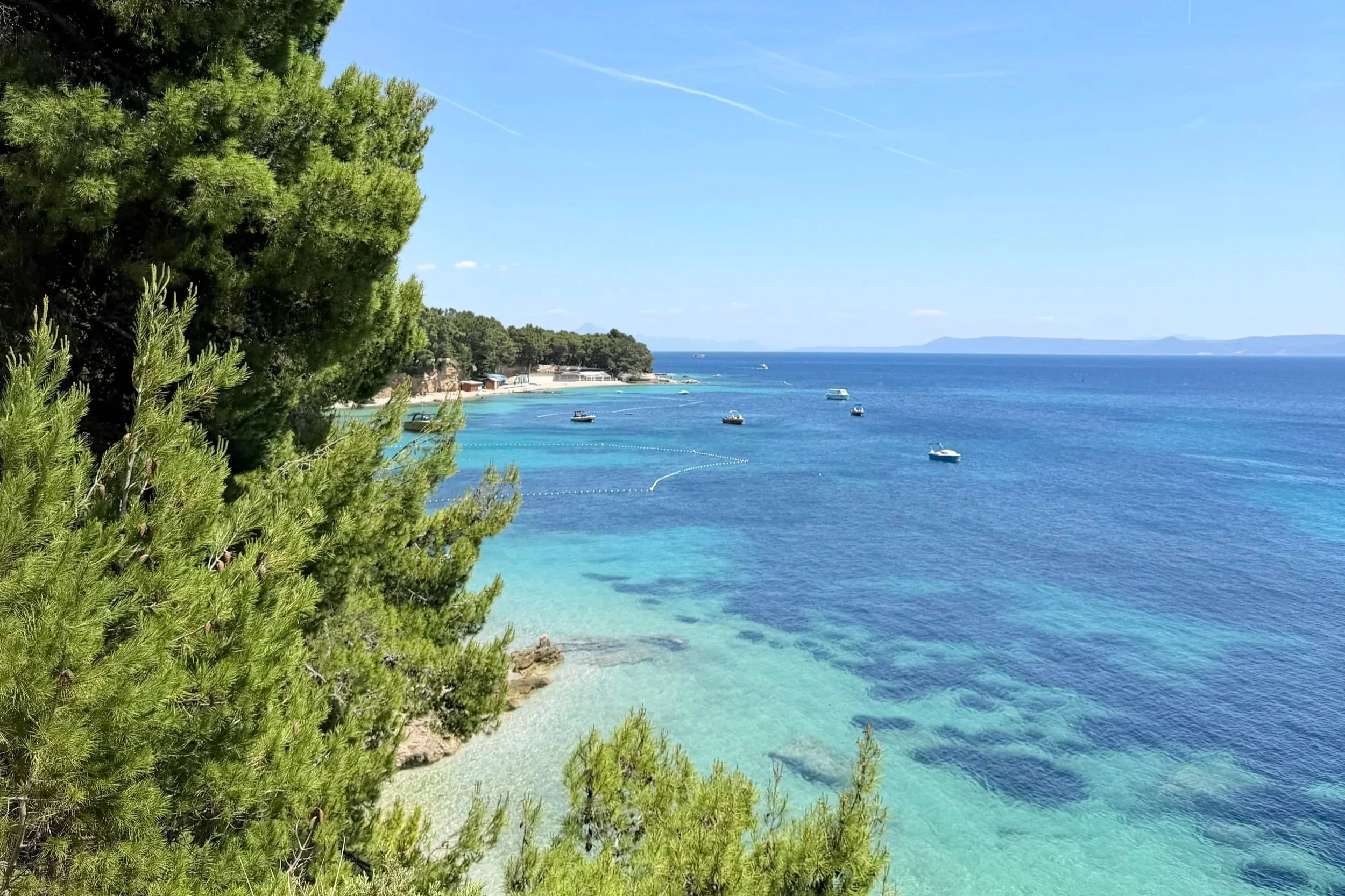
This was probably the biggest departure from a traditional Interrail route. While it is possible to reach Croatia by train, the journey times become much longer and the connections aren't nearly as straightforward as they are elsewhere in Central Europe.
We knew we wanted to finish our trip in Croatia and fly home from there anyway, so flying from Vienna to Dubrovnik felt like the most sensible option. It saved us a huge amount of travel time and allowed us to spend more time actually exploring Croatia. Once there, hiring a car gave us far more flexibility than relying on buses or trains.
What was our favourite part of the route?
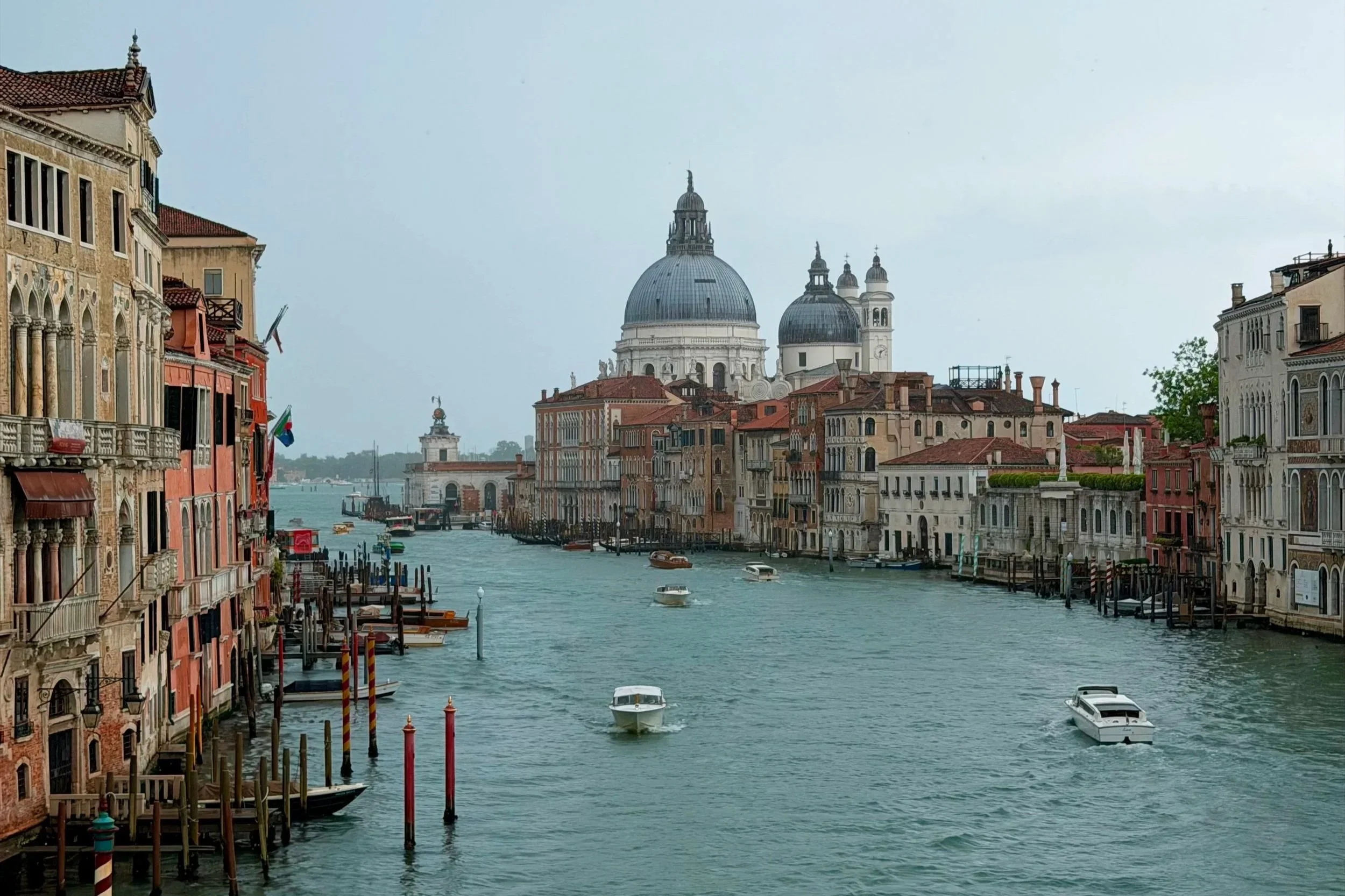
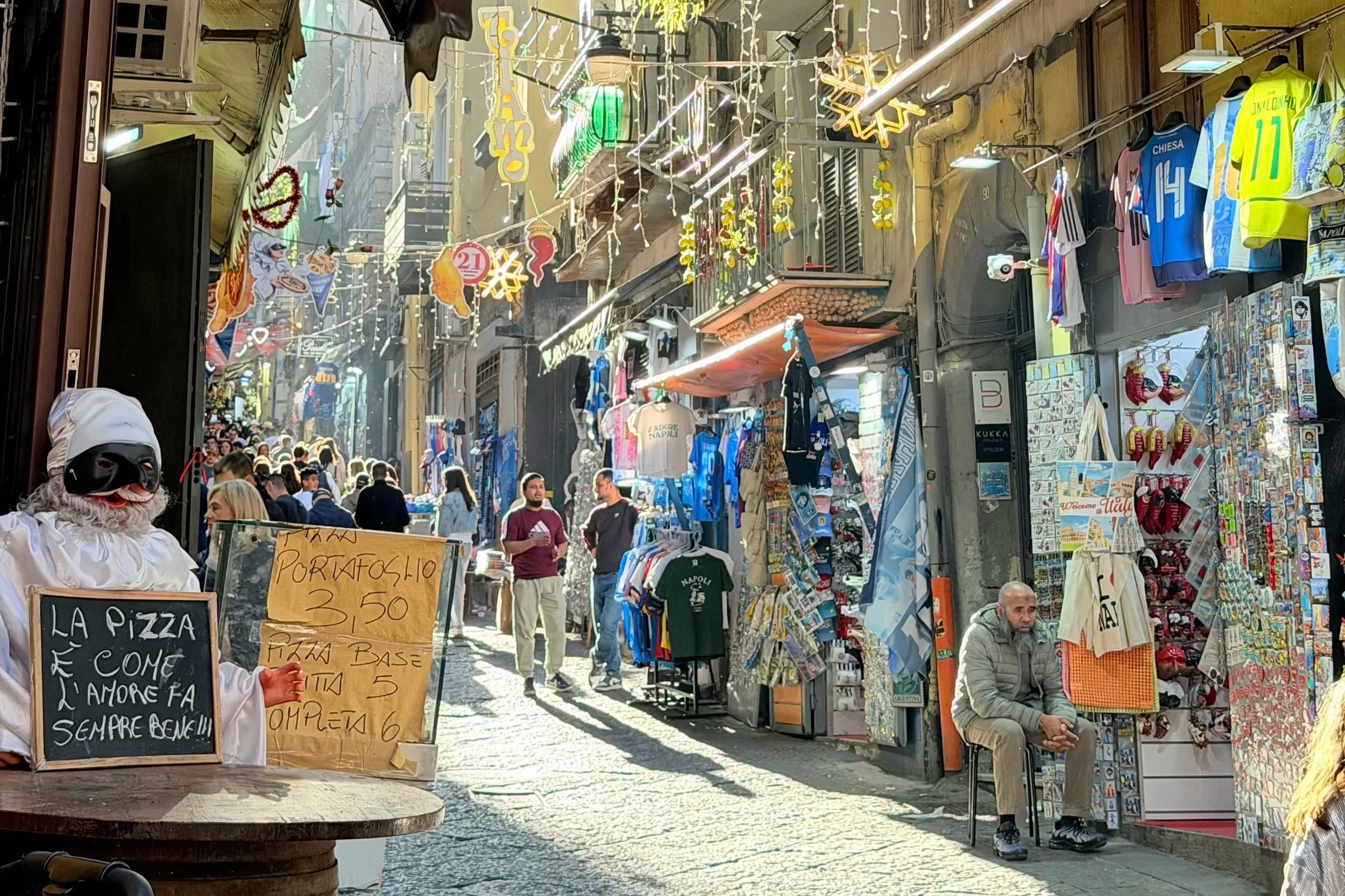
Every country offered something completely different. Italy gave us incredible food, historic cities, and beautiful lakes. Slovenia surprised us with how relaxed and easy it was to travel around. Budapest was one of the most impressive cities on the trip, while Vienna and Bratislava worked perfectly together as a multi-city stop.
Each felt very different from the others, which is one of the reasons I loved this route so much. But if I had to choose highlights, they would probably be:
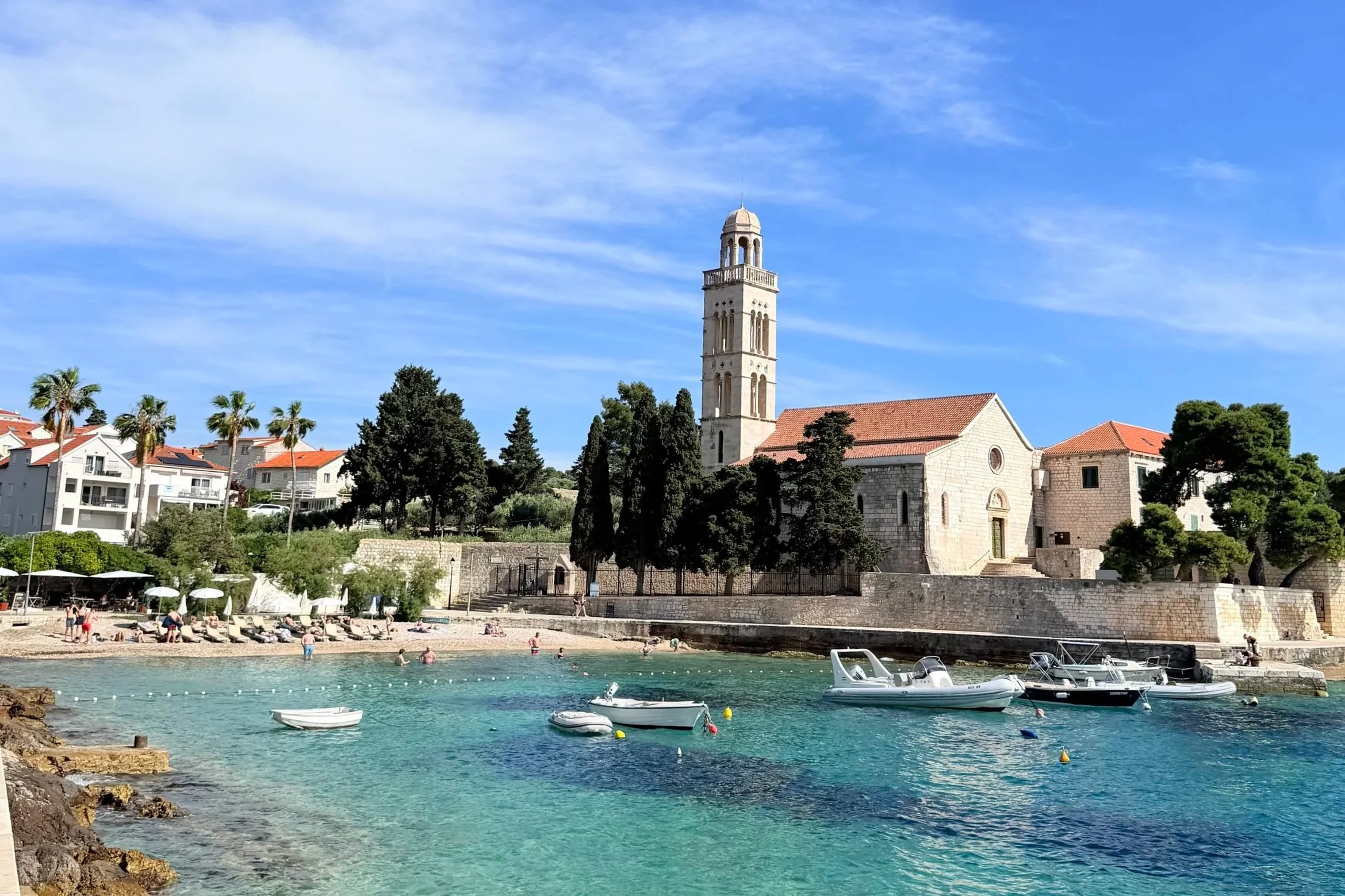
Hvar, Croatia
Lake Garda, Italy
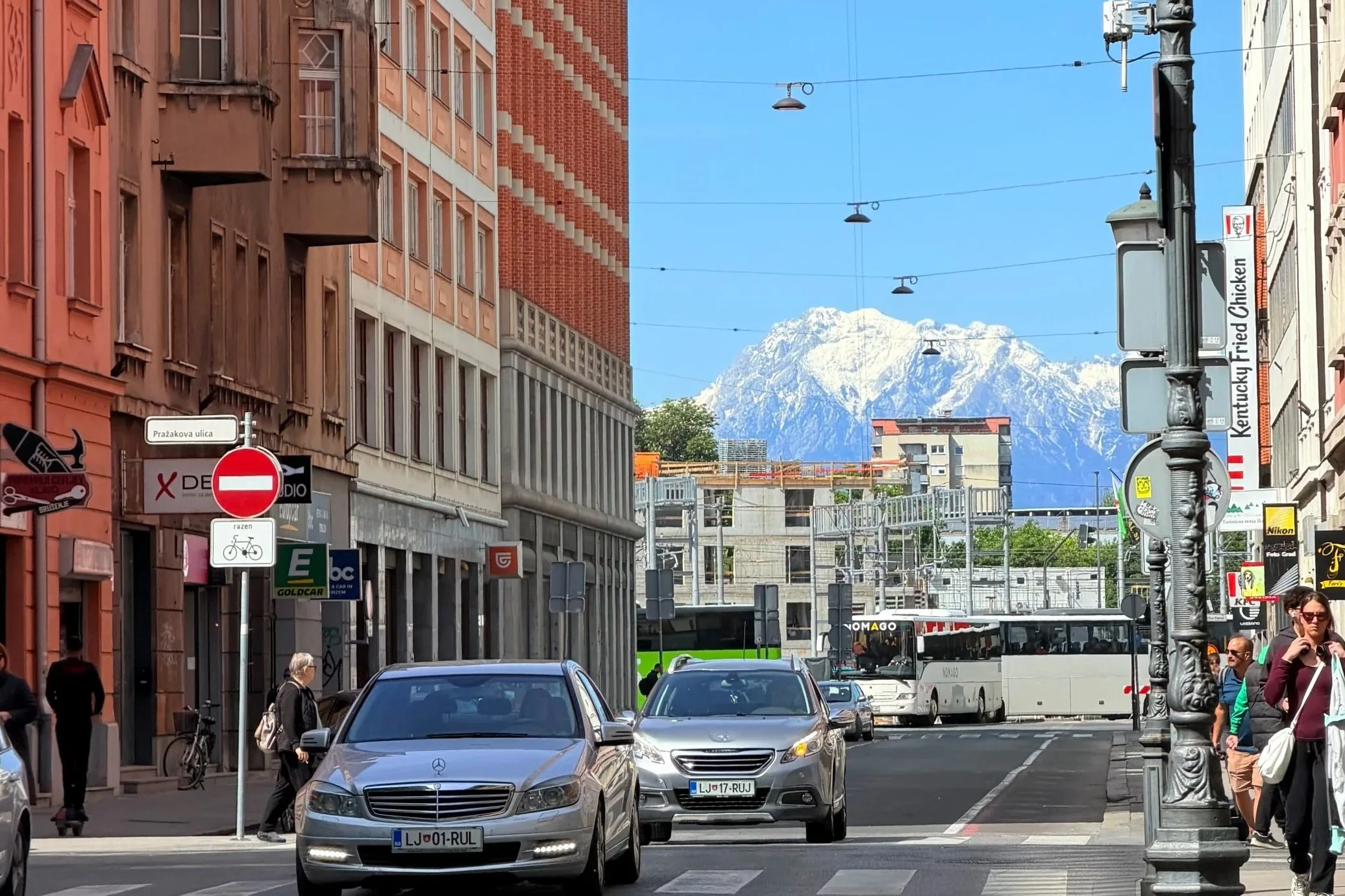
Ljubljana, Slovenia
Budapest, Hungary
Should you do a trip like this?

If you like to move from one place to the next rather than stay in one spot for a week and have the time to explore multiple places in Europe then this is the perfect trip and I'd love to do it again.
One of the things I loved most about this itinerary was the variety. In four weeks we went from Rome's ancient streets to the beaches of Capri, the lakes of northern Italy, the castles of Central Europe, and the islands of Croatia.
It felt like several completely different holidays rolled into one trip. And while we didn't technically Interrail, we still got everything we wanted from a European rail adventure — scenic journeys, multiple countries, and the freedom to move at our own pace.
Find out more about our week travelling around Italy by train here.