How we spent one week in Corsica
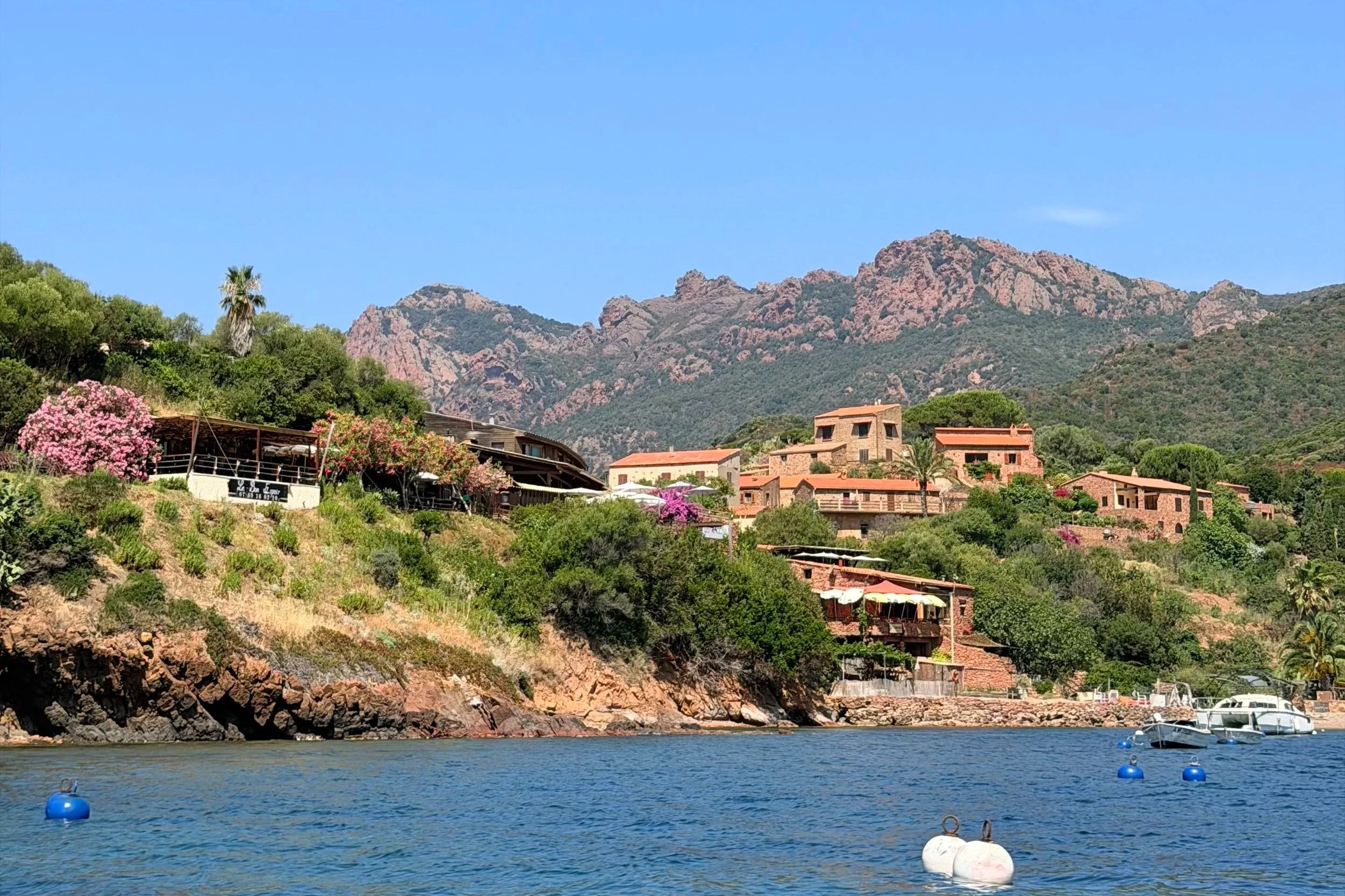
We spent a week in Corsica in June and quickly realised this is one of the most beautiful islands in Europe. The beaches are incredible, the towns are full of character, and the landscapes feel much wilder and more mountainous than I expected.
We had planned to go on a few hikes through the mountains, but the weather had other ideas. We had highs in the mid-30s most days, which meant we did less (of everything, not just hiking!) than we originally planned. But we made up for it with plenty of beach and pool time, and honestly, there are much worse problems to have…
Here’s everything you need to know about our one week Corsica itinerary.
Where is Corsica?
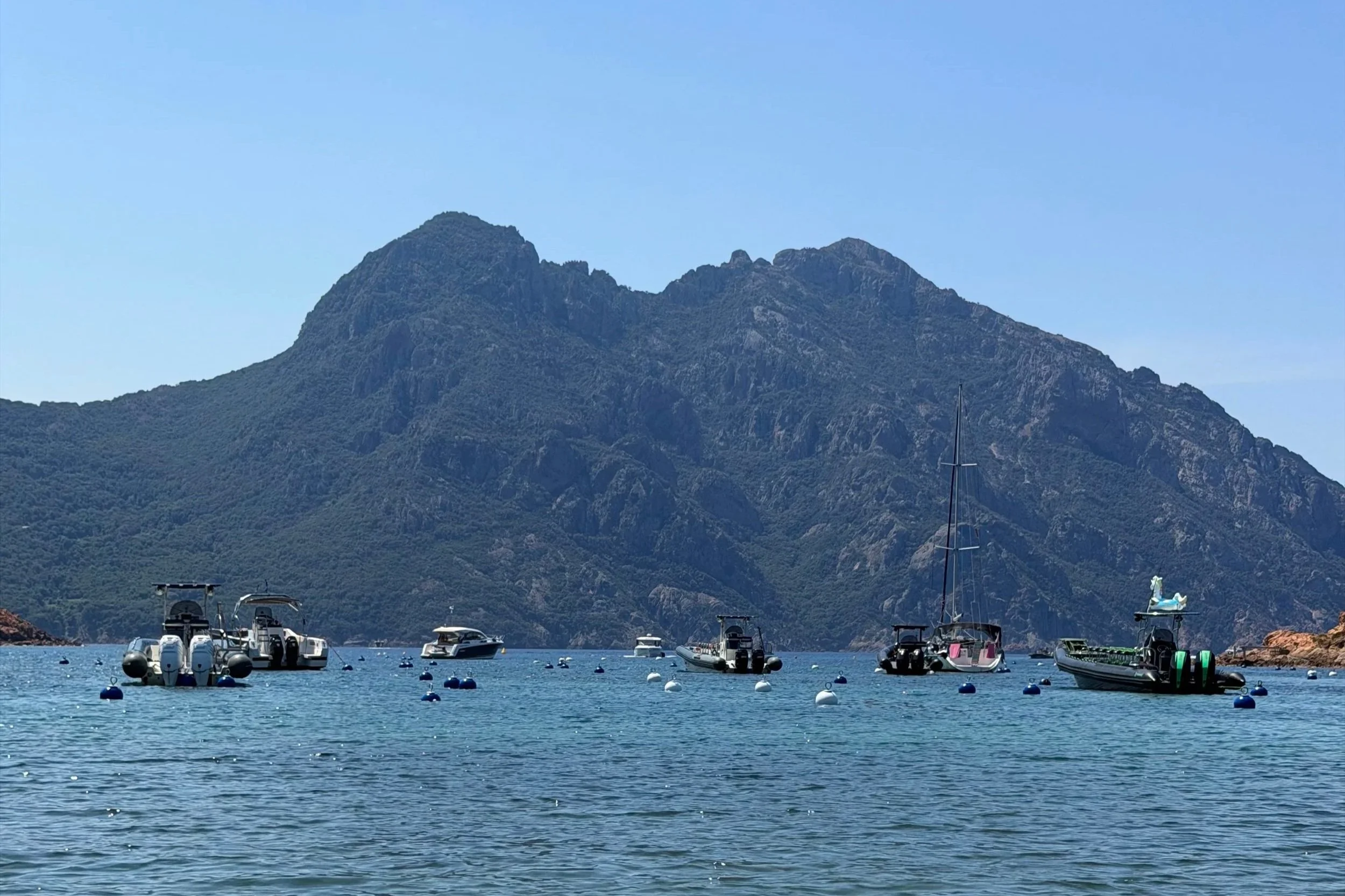
Corsica is a French island in the Mediterranean, sitting just above Sardinia and close to the west coast of Italy. Although it belongs to France, it has a really distinct feel. The language, food, landscapes, and towns all feel shaped by a mix of French, Italian, and Corsican culture, which makes it feel quite different from mainland France.
How to get to Corsica
We flew into Figari in the south of Corsica and flew home from Bastia in the north. This worked well for our route because it meant we could travel up the island rather than looping back to where we started.
If you’re planning to move around Corsica, I’d definitely recommend looking at flights into one airport and out of another. We also rented a car for the week, which cost around £250 from Avis.
Where to stay in Corsica
You could base yourself in one town and do day trips, especially if you want a slower holiday. But Corsica is bigger than it seems on the map, and journey times can be quite long, so we decided to move around instead.
This worked really well for us because it meant we could explore different parts of the island without spending hours driving back and forth each day.
Our route looked like this:
Bonifacio: 2 nights
West coast/Linguizzetta beaches: 2 nights
Calvi: 2 nights
How to get around Corsica
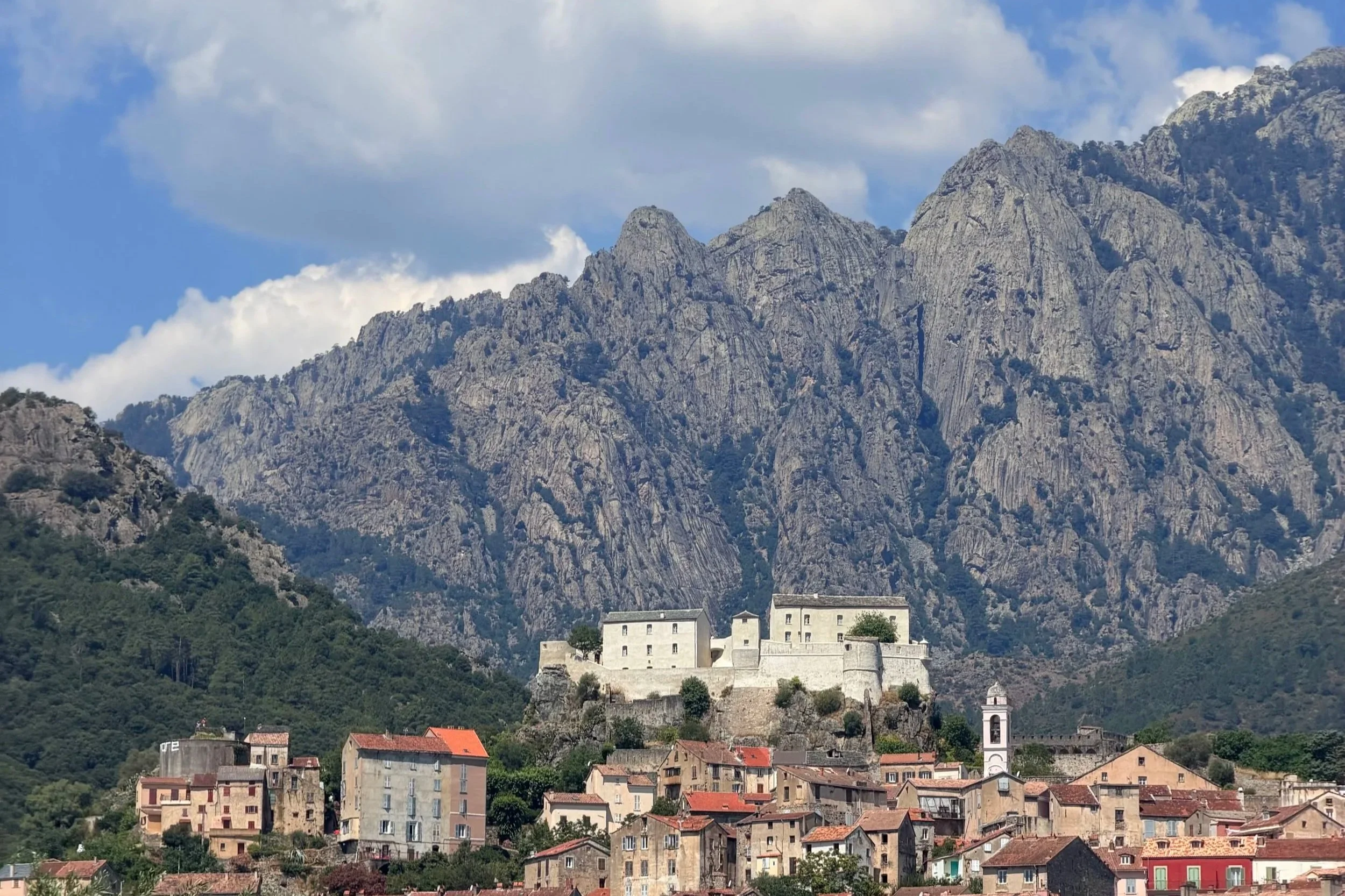
For this itinerary, I’d definitely recommend hiring a car.
Corsica is much bigger and more mountainous than I expected, and the roads are often winding, narrow, and slow. Distances on the map don’t always tell you how long a journey will actually take, especially if you’re crossing through the mountains or driving along the coast.
That said, having a car gives you so much freedom. You can stop at beaches, viewpoints, mountain towns, and restaurants along the way, which is a big part of what makes Corsica such a lovely place to explore.
Our one-week Corsica itinerary
Two nights in Bonifacio
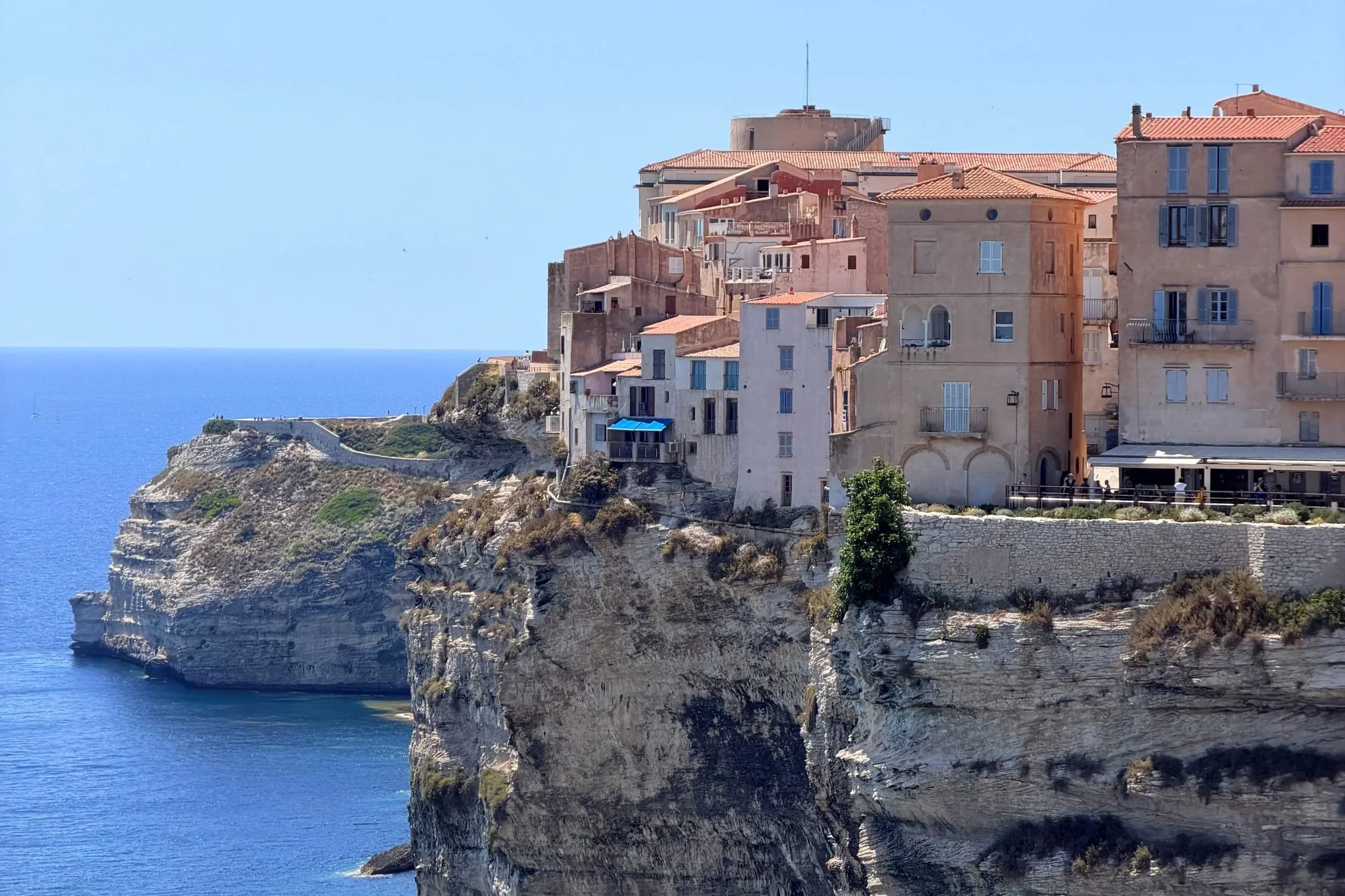
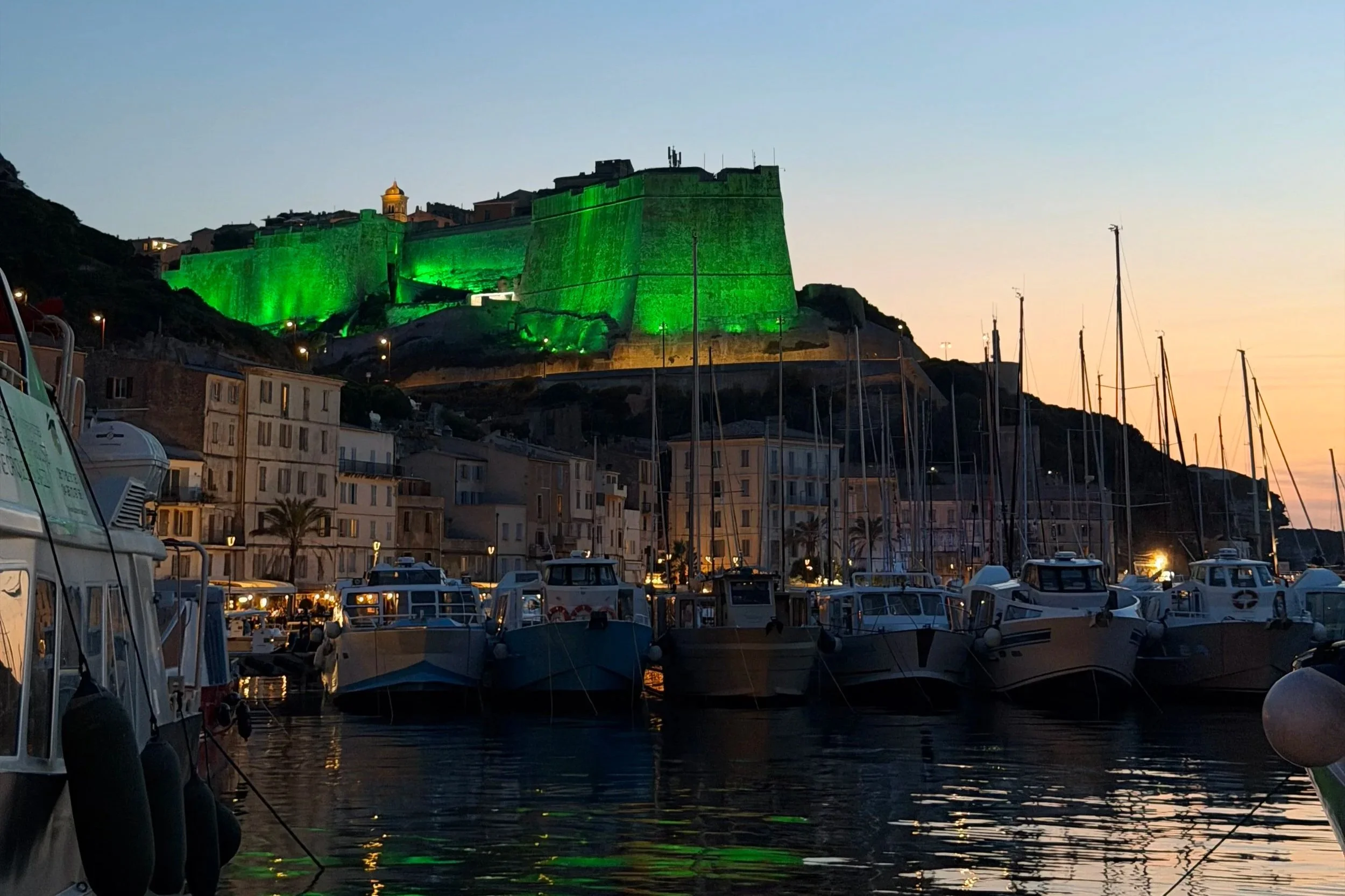
Bonifacio was one of my favourite places in Corsica. The town sits dramatically on white limestone cliffs at the southern tip of the island, with a beautiful old citadel, narrow streets, and views across the sea towards Sardinia. It feels historic, atmospheric, and very different from a standard beach town.
Some of our favourite things to see and do in Bonifacio included:
Point de vue sur Bonifacio
Escalier du Roy d'Aragon
Cemiteriu Marinu
Wandering the old town
Exploring the marina
The Escalier du Roy d'Aragon is one of Bonifacio’s most famous attractions. The staircase is cut into the cliffside and gives you incredible views of the sea and the town from below. It’s a bit of a climb back up, especially in the heat, but definitely worth doing.
The citadel is also lovely to wander, especially in the evening when the temperatures drop and the streets feel a little quieter.
Rondinara Beach
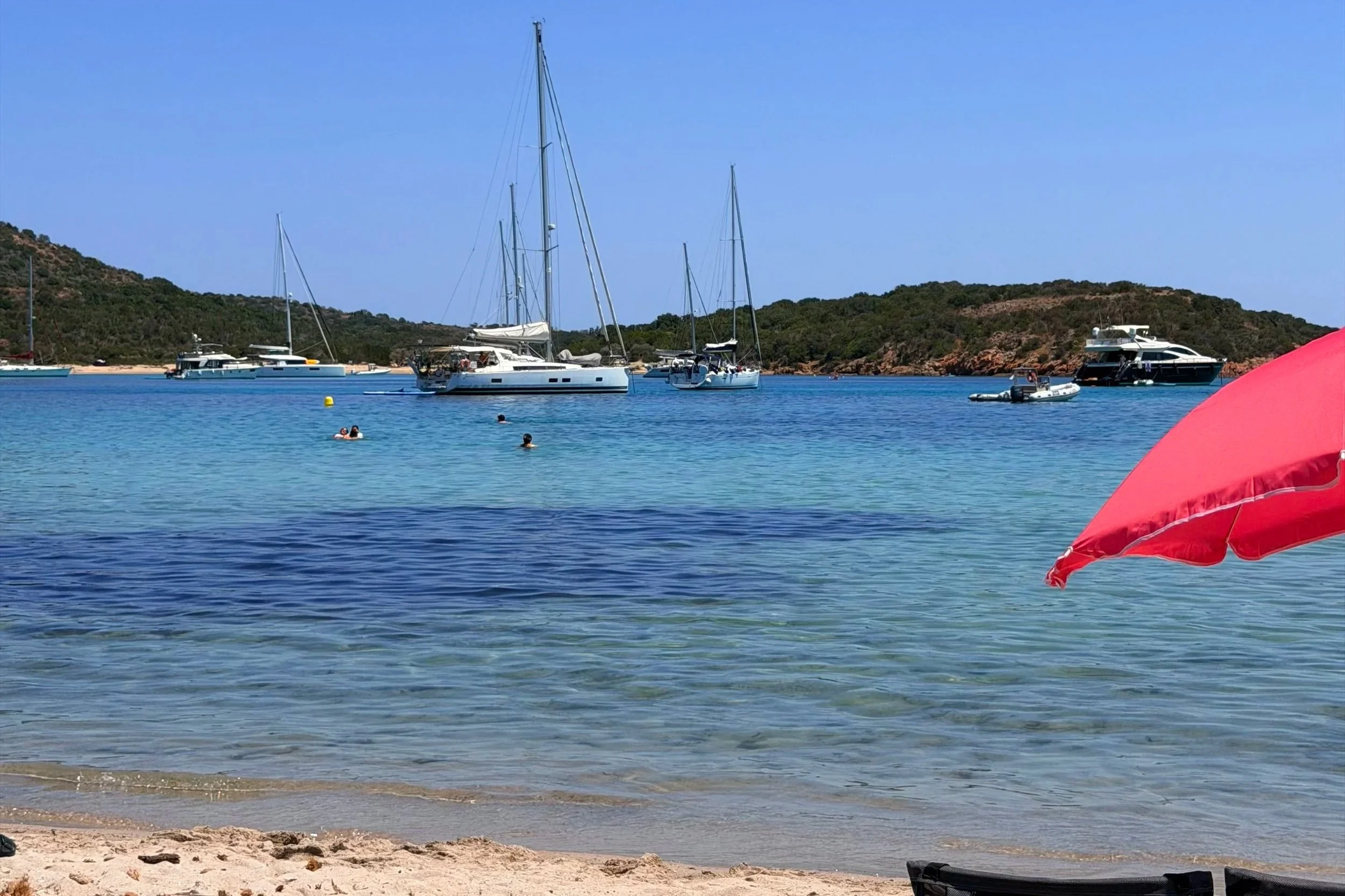
On the way west, we stopped at Rondinara Beach. This is one of Corsica’s most famous beaches, and it’s easy to see why it’s so popular with both locals and tourists. The bay is almost perfectly curved, the water is calm and clear, and it’s a great place to stop for a swim between destinations.
It can get busy, especially in summer, but it’s still well worth adding to your route if you’re driving from Bonifacio towards the west or centre of the island. Also be aware that it costs €6 to park and while they do have a card machine it was broken on the day we arrived – so bring cash just in case.
Two nights on the west coast
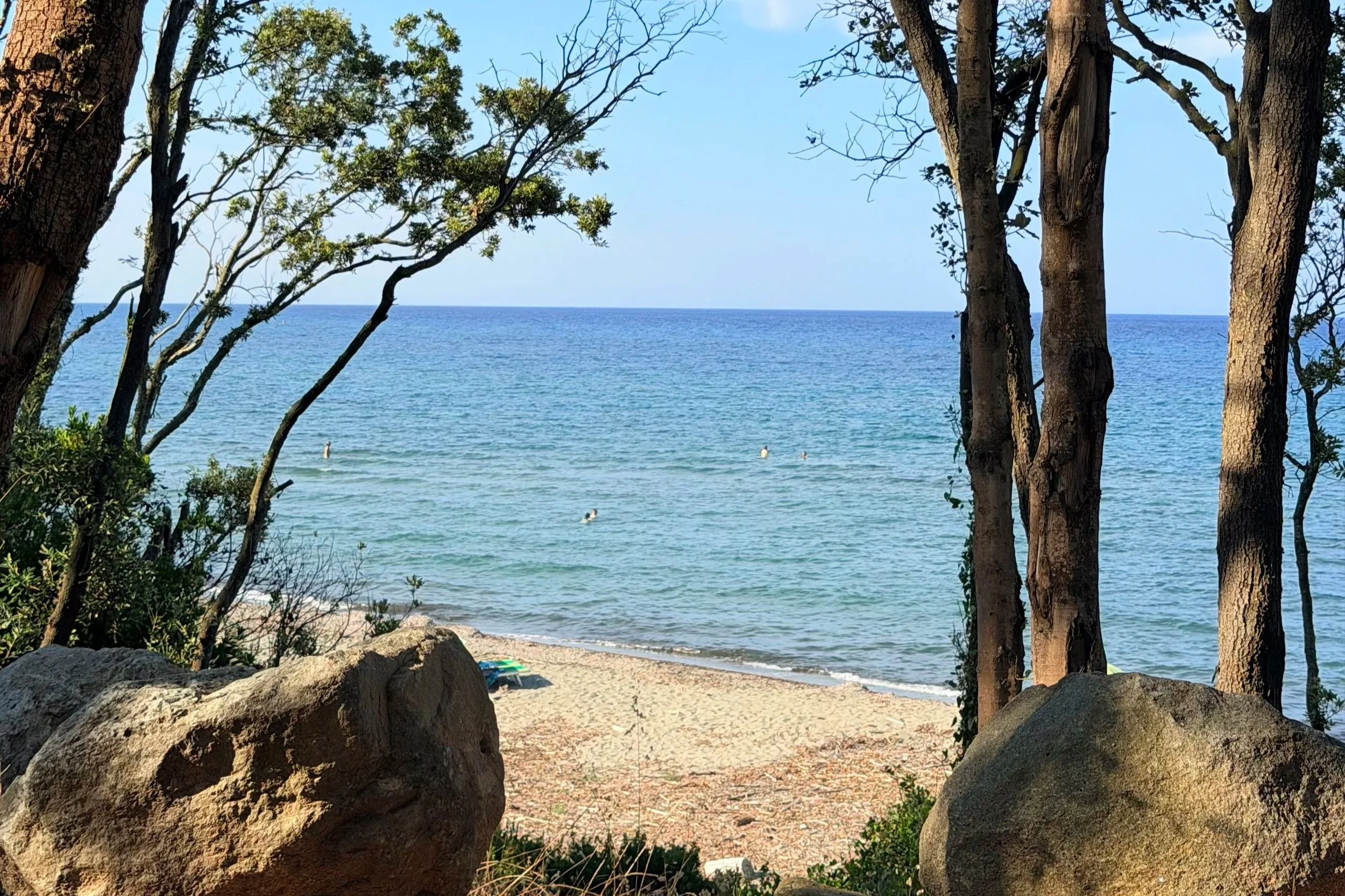
After Bonifacio, we spent two nights on the west coast near the Linguizzetta beaches.
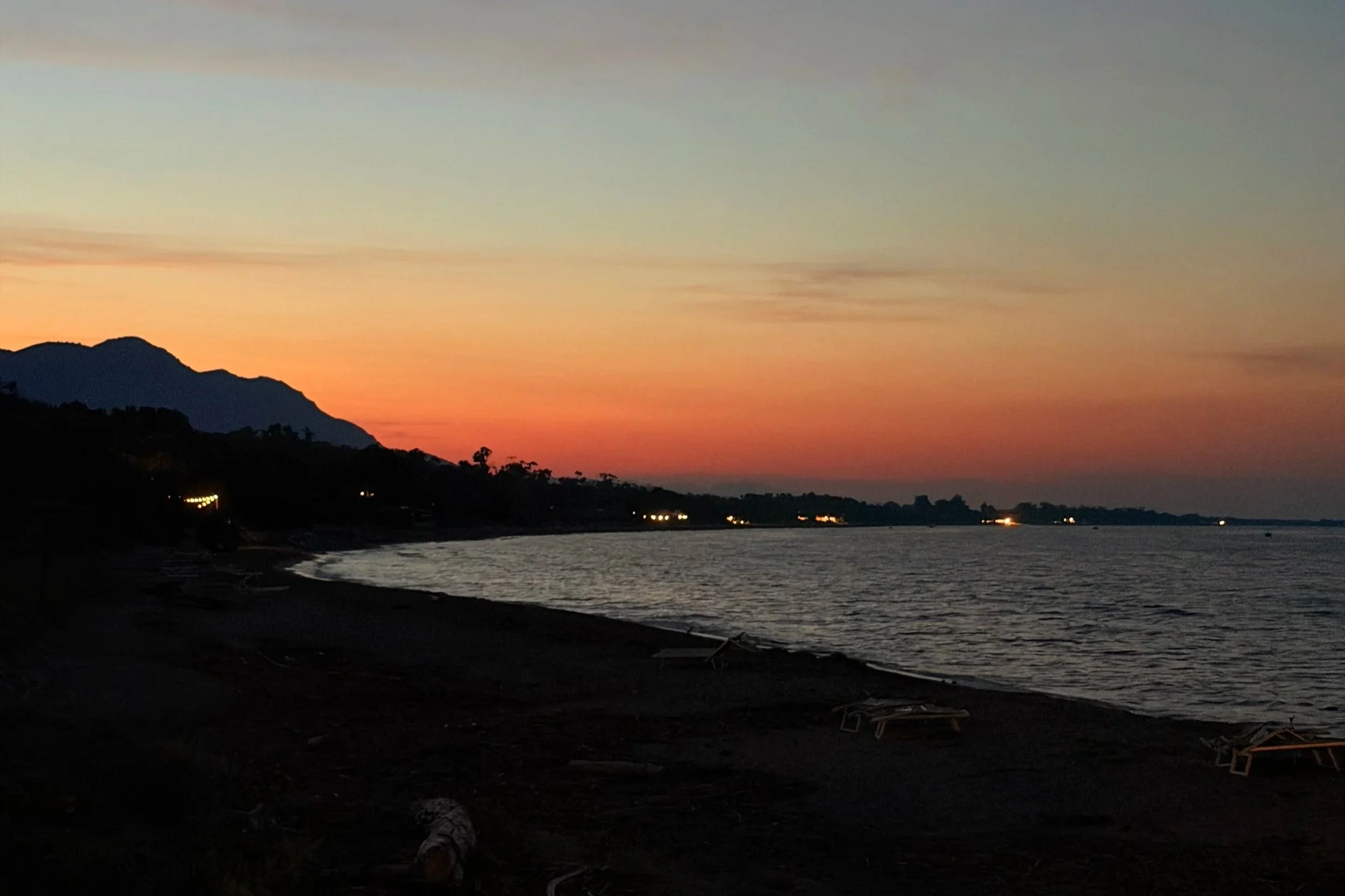
This part of the trip was much more relaxed. We used it as time to slow down, enjoy the beach, and escape the heat a little. The beaches around Linguizzetta were long, quiet, and much less built-up than some of the more famous spots on the island.
If you’re visiting Corsica in summer or during very hot weather, I’d really recommend building in a couple of slower days like this. There are so many hikes and towns you could visit – which is what we had planned – but in the end we just needed to accept that the beach was the best plan that week.
Corte and the Restonica Valley
On the way to Calvi we stopped in Corte, a mountain town in the centre of Corsica.
Corte is a great place to break up the journey and see a completely different side of the island. Instead of beaches and cliffside towns, you get mountain views, rivers, and access to some of Corsica’s best hiking routes.
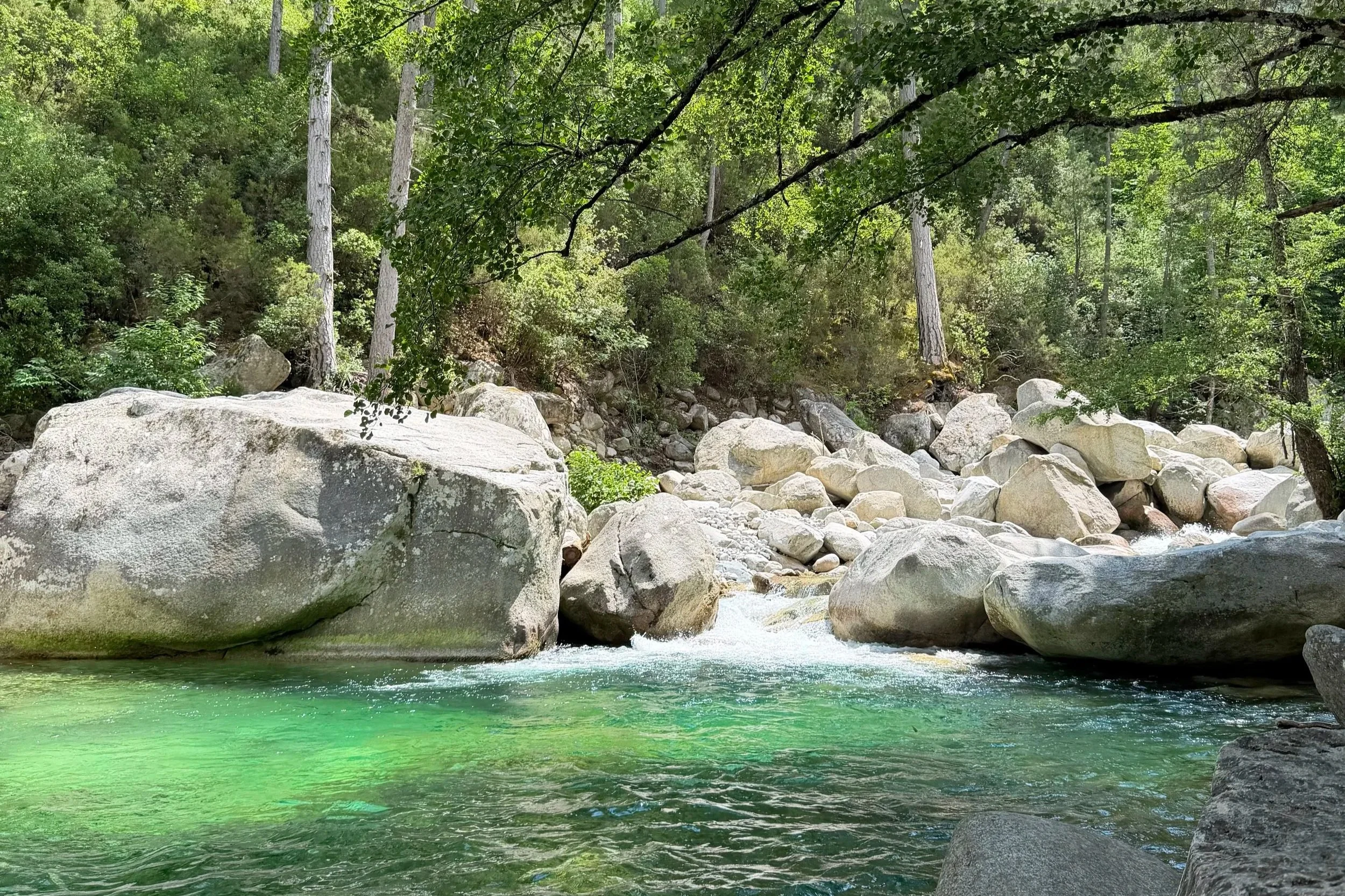
One of the most popular places nearby is the Restonica Valley. We went to Tuani, where you can either drive yourself or take the €4 hourly bus.
If you’re visiting in the busy season, I’d probably recommend taking the bus. The road is narrow, winding, and not particularly relaxing to drive, and there aren’t loads of parking spots once you’re there.
Spending a couple of hours relaxing by the water and swimming in the pools was one of the highlights of our week in Corsica.
Two nights in Calvi
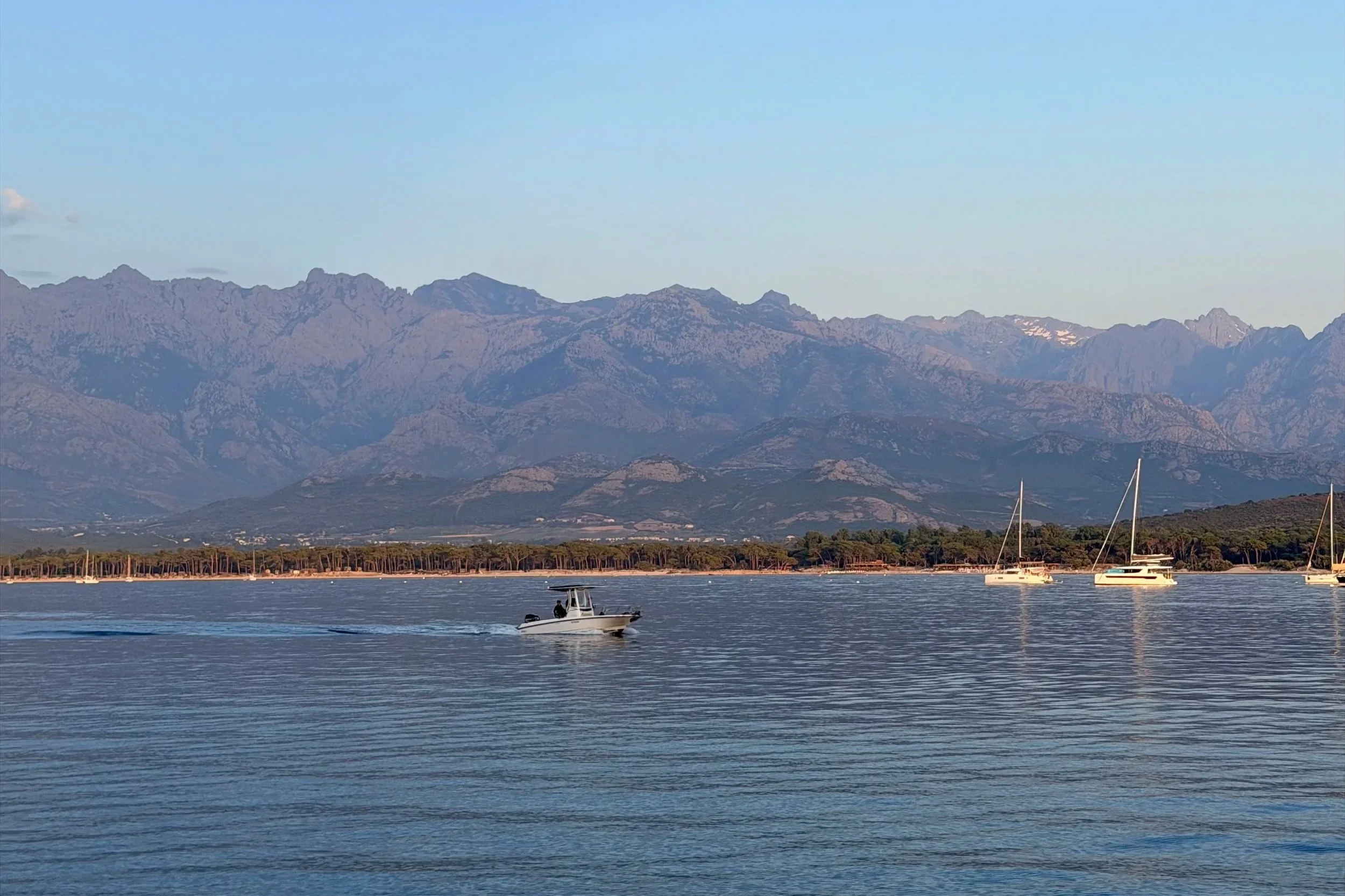
We finished our trip with two nights in Calvi, which was a lovely place to end the week.
Calvi has a pretty marina, a historic citadel, a long beach, and easy access to some of Corsica’s most dramatic coastline. It felt lively without being overwhelming, and there were plenty of places to eat, drink, and wander in the evenings.
Some of our favourite things to do in Calvi included:
Wandering around the citadel
Exploring the marina
Taking a boat trip to Scandola, Girolata, and Piana (we used Calvi Evasion)
Relaxing by the beach
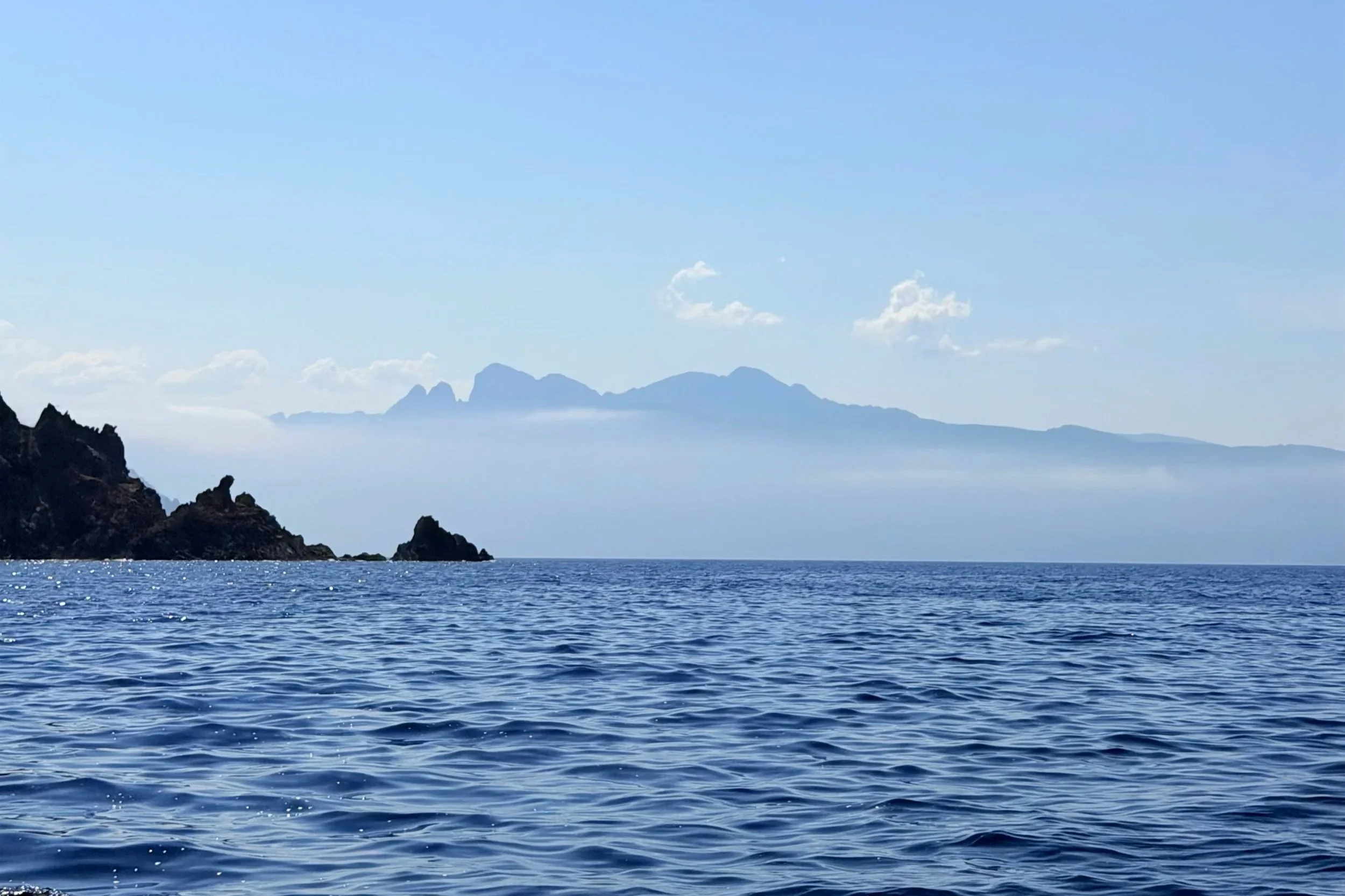
The boat trip was one of the highlights of our week in Corsica. The coastline around Scandola and Piana is stunning, with red cliffs, clear water, and tiny villages that feel completely cut off from the rest of the island.
Is Corsica expensive?
Corsica isn’t the cheapest island destination, but it wasn’t outrageously expensive either.
We found accommodation for around €100-120 per night, which felt reasonable for June. Food and drink prices varied a lot depending on where we were eating.
Restaurants in citadels, marinas, and popular old towns tended to be more expensive, while casual spots and places away from the main tourist areas were much more affordable.
Hiring a car also adds to the cost, but for this kind of trip I think it’s worth it.
Is Corsica safe?
Yes, Corsica felt very safe throughout our trip.
We were comfortable driving around the island, walking through towns in the evening, and visiting beaches and viewpoints. As always, it’s sensible to keep an eye on your belongings in busy areas or car parks near beaches, but overall we had no concerns at all.
When is the best time to visit Corsica?
We visited Corsica in June and loved it, but it was very hot. If you’re mainly planning to swim, relax by the beach, and enjoy boat trips, June is a great month to go.
However, if hiking is a big part of your plan, I’d probably choose May, early June, September, or October instead. The weather should still be warm, but more comfortable for walking and exploring.
July and August are likely to be the hottest and busiest months, so I’d avoid them if you prefer quieter trips.
Should you visit Corsica?
Yes, absolutely. Corsica is wild, beautiful, and much more varied than I expected. You can spend one day wandering a cliffside citadel, the next swimming in clear blue water, and the next driving through mountains and river valleys.
It’s not the most relaxing place to travel if you’re trying to see a lot in one week, because the roads are slow and the island is bigger than it seems. But if you’re happy to hire a car, move around, and take your time, Corsica is a brilliant destination.
What to pack for a week in Corsica
We were lucky to have very warm weather during our week in Corsica and spent most of our days at the beach so packing was light. But what you pack will depend on the forecast during your trip. This is what I packed:
Two dresses
Four sleeveless tops
A linen shirt
Three pairs of shorts
A pair of wide-leg cotton/linen trousers
A sarong/beach cover up
Two pairs of sandals
One pair of trainers
Sunglasses
A cap/sun hat
3 bikinis
A week of of underwear
3 pairs of socks (though I mostly wore sandals)
A beach bag
A beach towel
A small daytime/evening bag
Daily toiletries + SPF and aftersun
Passport
Driver’s license
EU travel adaptors + chargers
Books or an e-reader + charger
Battery pack + charger
Water bottle
Planning more trips around Europe? Check out our guide to travelling through Europe by train for an easy and affordable adventure.