How to plan three months of travelling

In 2024, we took three months off to travel around the world. Well… as much of the world as you can see in three months. Which it turns out isn’t that much!
For us, three months of ‘round the world’ travelling meant visiting Australia, The Philippines, Sri Lanka, South Korea, and Japan. Here’s how we planned three months of travelling.
How to plan travelling
1: Set your dates
Although it’s often easy to be flexible with your return dates (unless you’re on set leave from work), it’s still important to think carefully about when you want to travel. We chose March, April, and May because it meant avoiding mid-summer and cold or rainy seasons in all the countries we visited and the timing worked out perfectly. Setting your dates first also makes it easier to plan logistics like flights and hotel or hostel stays.
If you’re not on a tight timeline, you can switch the order of these steps and plan your countries and your route first. But we had a hard three-month deadline so setting our dates first meant we could plan things around work and other home commitments and confirm that that wasn’t going to change and disrupt things once we’d started planning further.

2: Plan where you want to go
This step is hard because the reality hits that you might not be able to see and do everything that you want, so start with your non-negotiables. Consider the seasons, the specific activities you want to do and whether they are constrained by seasons, holidays, or anything else. Think about whether you’re going to be meeting up with other people and when they are available. And think about whether there are any events or holidays that you specifically want to attend or avoid in the countries you’re interested in visiting.
You should also aim to move in one global direction to avoid too much timezone crossing. Plus, the closer together your countries are, the less likely you are to need to pack a wide range of clothing.
3: Start planning your route
While the exact logistics of your plans can be left fairly late, you will need to plan your route for three months of travelling so that you can secure flights and accommodation. Many people do choose to leave this open, but for us it wasn’t worth the risk. Three months is not as long as it sounds and we didn’t want to waste time and money staying in whatever place was available last minute. We wanted to have a nice, comfortable time!
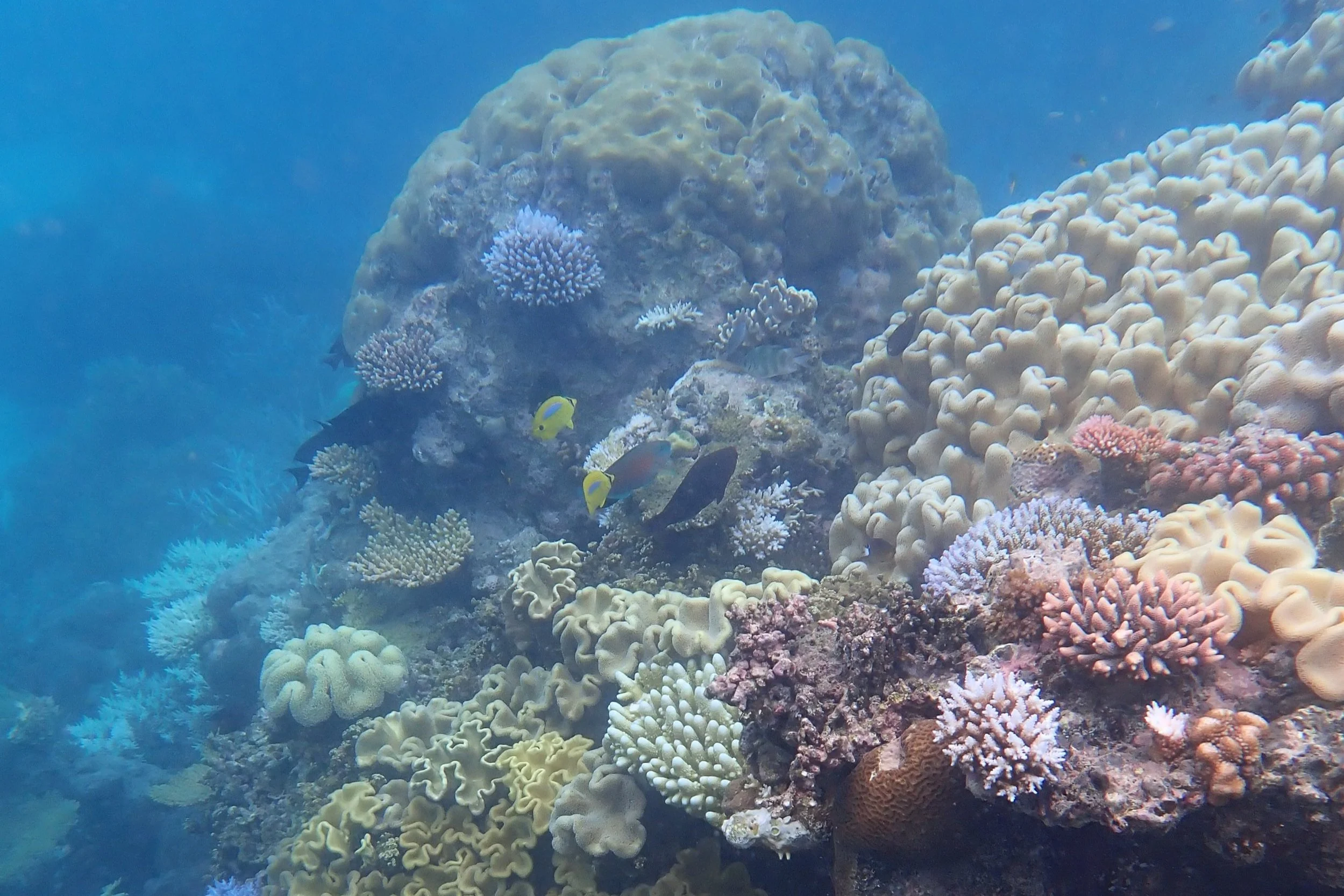
For us, this started with Australia as we wanted to visit friends. We also wanted to go on the Tao Expedition in The Philippines which meant we had three weeks in Australia otherwise The Philippines would be heading into a rainy season.
We also knew we wanted to go to Sri Lanka, South Korea, and Japan. Indonesia, Malaysia, and Thailand (as well as many other places!) were also on the list, but we had to cut it down… Sri Lanka starts in May so we knew we needed to go after The Philippines. Then we were meeting friends in South Korea for two weeks, and we wanted to spend a month in Japan at the end of our trip.
Planning your route around the seasons is the best way to avoid disappointment on your travels. While this probably will mean cutting out some of the places you’d like to go, you can always (hopefully!) go there another time. Worse would be to go and then not be able to explore much due to bad weather conditions.
4: Check the routes that tour groups take
Once you’ve planned the overall route of the countries that you’re planning to visit, you can start looking into the specifics. Start with the first country you’ll be visiting as this is an obvious priority.
I checked the routes that companies like G Adventures, Intrepid Travel, and KimKim take in each country we were visiting and took the best bits and added or removed steps depending on what we knew we did and didn’t want to see.
For us, Australia in three weeks was the hardest step to plan. The country is huge and we just weren’t able to see everything we wanted in such a short amount of time. But coming to this realisation in the first part of our route planning was useful as it meant we were quickly able to come to terms with this reality of travelling.
We also used ChatGPT to help… it’s not the best as is will override some of your priorities in order to give you an answer rather than just saying that it isn’t possible! But a combination of AI, advice from friends, and comparing tour group routes plus our own input and compromise made it all possible and, in the other countries we visited, we didn’t have to do much compromise at all!

5: Set a budget
Before you start booking anything, consider your budget. In 2024, we both saved around £20,000 for three months on travel which is on the high end, but we wanted to feel secure in how much we had access to and it meant that, if needed, we could make slightly more luxury decisions. We didn’t end up spending this much (which is a great feeling when you get home!) but we kind of expected this to happen as it was on the high-end of a travel budget at that time.
But, with prices for everything seemingly constantly increasing, you should plan out a detailed budget based on when you’re aiming to travel and where you plan to go. Check information on an ideal daily budget in each country and of course consider what money you will need in the bank for when you return home.
At this point, you should also create a plan to save as much as possible (or a set amount) each month leading up to the start of your trip.

6: Start planning your flights
Once you know your starting point, you can book your first flight. We knew that we would be taking one checked bag and one carry-on bag each which made pre-booking flights fairly simple. In fact, we were able to book all of our flights around Australia pretty much in one go once our route was planned. The tight timeframe we were working to in our first country meant that we didn’t have much room to change our plans. But if you’re looking to travel a little more freely you might choose to book your domestic travel plans closer to the time.
At this point, I also began letting my clients know that I would be away from the specific dates that our flights were booked. Booking the first flight out feels like a real milestone and like everything is really happening, and until we’d crossed that hurdle I didn’t want to solidify plans for leaving work! It’s time to stop making plans and commitments at home and start thinking about what you’ll be doing in X days once you’ve finally landed in stop #1!
7: Book your accommodation
Once your flights are booked and you know when and where you’ll be landing you can start booking your accommodation. We weren’t on a mega budget so in some places we were able to stay in hotels (we found that in some cities these were a very similar price to a private room in a hostel!)
As we were only away for three months, wanted to fit a lot in, and didn’t want to spend travel days planning, we tried to get as much accommodation booked as we could before we left. But you can definitely be far more easygoing about this than we were. I know many people choose to plan their specific routes and accommodation as they go, but for us this wasn’t workable as we were going on various excursions and meeting up with people on specific dates, which meant our route didn’t have much leniency!
Note: if you’re visiting Japan, do not leave the planning of your accommodation to the last minute. Tokyo in particular is notorious for having very very few free hotel rooms despite how many hotels there are in the city. Travel to Japan is only getting more popular and even booking a month in advance we found our options were limited!
How much does it cost to travel around the world?
How much you spend on a round-the-world trip depends on so many factors: where are you going? When are you going? How are you travelling and where will you be staying? How long are you travelling for?
What is consistent is the things you will spend money on. To budget for your travelling, consider these factors and plan around them:
Transport: a lot of your money will go on flights, including longhaul and domestic. You will also, almost certainly, be travelling by taxi, bus, train, and boat to get around countries which aren't always cheap.
Accommodation: the price of hotels, hostels and Airbnbs adds up, but there are always affordable options (unless you’re in Japan!).
Local transport: day to day, it’s likely you’ll be catching buses, taxis and other ride-sharing services wherever you are. This shouldn’t be too expensive but it can add up and should definitely be considered in your budget.
Food: for us, experiencing local cuisine is one of the highlights of travel so we leave a generous budget for food, but even if you don’t want to eat out you’ll still be needing to buy groceries.
Activities: everything you do, from grabbing a drink to entering a museum or temple to going on a sightseeing tour needs to be accounted for.
Any pre-travel costs: you must have travel insurance, vaccines, visas, etc. before you go and these will need to be paid for before you leave for travelling.
Travel essentials: there are plenty of things you’ll need to take with you on your travels and if you’re new to travelling you may need to invest in a good backpack and other travel essentials.
Find out more about what to pack for long-term travelling here.